Why Are Your Friendships Fading When Your Phone Could Be Helping?
We’ve all been there—meaningful friendships slowly drifting apart, not because we don’t care, but because life gets busy. Between work, errands, and daily chaos, staying connected feels harder than ever. But what if the phone in your pocket, often blamed for distraction, could actually help deepen your relationships? It’s not about more texting or social media. It’s about using everyday tools—like shopping list apps—in smarter, more personal ways to show up for the people who matter. The truth is, technology doesn’t have to pull us away from real connection. When used with intention, it can quietly weave care into our routines, helping us stay close even when life pulls us in different directions.
The Quiet Drift: How Busy Lives Pull Friends Apart
Remember the last time you realized you hadn’t talked to your best friend in months? Not because of a fight or falling out—but simply because weeks turned into months, and every time you thought, I should call her, something else came up. Maybe it was school pickup, a work deadline, or just the exhaustion of getting through the day. This kind of slow fade isn’t dramatic, but it’s deeply felt. You scroll through old photos and wonder, How did we get here? The truth is, most friendships don’t end with a bang—they dissolve in the quiet moments of daily life.
It’s not that we stop caring. In fact, many of us care deeply. But caring doesn’t always translate into action when our mental space is full. We forget birthdays. We see a message and tell ourselves we’ll reply later—but later never comes. Plans get canceled last minute because someone’s kid is sick, or a meeting runs long. These aren’t signs of neglect; they’re signs of full, real lives. And yet, over time, the emotional cost adds up. You start to feel disconnected, even a little guilty. You miss the ease of talking for hours, the comfort of being truly seen. But instead of reaching out, you hesitate—worried it’s been too long, or that they’ve moved on.
Here’s the good news: you don’t need to overhaul your life to reconnect. You don’t need grand gestures or hours of free time. What you do need is a small, sustainable way to show up—consistently, gently, without adding more stress. And that’s where something as simple as your shopping list app comes in. Yes, really. That little tool you use to remember toilet paper and milk? It can become one of the most meaningful ways to nurture your friendships—without even realizing you’re doing it.
The App You Already Use—But Not Like This
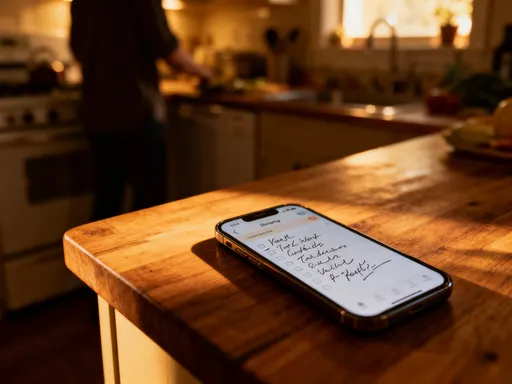
Let’s talk about the shopping list app on your phone. You probably open it a few times a week, maybe even daily. You add items, check them off, and move on. It’s practical, no-frills, and honestly, a little boring. But what if I told you it could also be one of the most heartfelt tools in your digital life? It’s not about the groceries—it’s about the notes you add in the margins of your routine. Think about it: when you jot down “Buy Maya’s favorite tea” or “Pick up gluten-free crackers for Lisa”, you’re not just planning a trip to the store. You’re sending a quiet message: I remember you. I’m thinking of you. You matter to me.
Here’s how it works in real life. Sarah, a mom of two in Portland, started using her list app this way after missing her sister’s birthday—again. She felt terrible, not because she didn’t care, but because her mental load was overflowing. So she decided to get practical. She created a shared list called “People I Love” and added small, personal reminders: her sister’s favorite dark chocolate, her best friend’s preferred brand of almond milk, her mom’s go-to soup. Now, when she’s at the store, she glances at the list. Sometimes she picks up just one extra item. Other times, she sends a quick photo: “Saw this and thought of you!” No pressure, no big production—just small moments of connection woven into her day.
And here’s the tech magic: most list apps sync across devices, send reminders, and even let you add notes or photos. You can set a monthly alert for a friend’s favorite snack or save dietary preferences so you never forget. It’s not about perfection—it’s about consistency. The app doesn’t replace conversation, but it keeps the thread alive between talks. It turns a chore into a gesture. And over time, those tiny acts build up, creating a rhythm of care that feels natural, not forced.
From Groceries to Gratitude: Turning Lists Into Acts of Care
Have you ever received a surprise text that said, “I was at the store and got you that lavender honey you love—should be at your door tomorrow”? How did that feel? Probably not just grateful—but seen. That’s the power of small, thoughtful actions. And the beautiful thing is, you don’t need to plan a whole event or spend a lot of money to create that feeling. You just need to pay attention—and your list app can help you remember what matters.
Imagine planning a girls’ night and using your list to gather input. Instead of endless texts like, “What should we eat?” “Who’s bringing wine?” “Does anyone have food allergies?”, you create one shared list. Everyone adds their preferences: “Vegan,” “No mushrooms,” “Love spicy food.” You glance at it while meal planning and instantly know what to cook. No confusion, no stress—just a meal that feels inclusive and thoughtful. And when your friends taste the food and say, “You remembered my allergy!”, that’s not just convenience. That’s love in action.
Or think about the holidays, when everyone’s busy but you still want to show you care. Instead of scrambling last minute, you start a list in July: “Aunt Jen—lavender soap, reads historical fiction.” “Friend Tom—loves hot sauce, needs new gloves.” By December, you’re not stressed—you’re prepared. And when you hand over a gift that’s clearly chosen with thought, it says more than any generic present ever could. These aren’t grand romantic gestures or expensive trips. They’re quiet, consistent acts of attention. And in a world where everyone feels forgotten, being remembered is everything.
Shared Lists, Stronger Bonds: Collaborating Without the Chaos
Let’s be honest—group plans can be a mess. You’ve probably been part of a group chat that spirals into confusion: “Wait, did we decide on Saturday or Sunday?” “Who’s bringing the dessert?” “Is this potluck or are we ordering?” By the time it’s sorted, half the fun is gone. But what if you could cut through the noise with one simple tool? Enter the shared list—a quiet hero for group harmony.
Take book club, for example. Instead of six separate messages about snacks, drinks, and who’s hosting, you create a shared list titled “Book Club Night.” One person adds the date and time. Another adds the book discussion questions. Someone else volunteers to bring wine. You add the snacks, including the vegan option and the one friend’s favorite cheese. Everyone checks the list before the event—no guessing, no stress. And when you’re all sitting together, laughing and talking, you realize: the list didn’t just organize the night. It helped you all feel included.
Or imagine planning a birthday gift for a mutual friend. Instead of awkwardly asking, “How much are you chipping in?”, you create a shared list with the gift idea and a notes section for contributions. People add what they can—some money, some help wrapping, one person offers to deliver it. No pressure, no hierarchy—just teamwork. The best part? It’s not about the gift. It’s about the process. When people feel part of something, even in a small way, they feel connected. And that connection doesn’t fade when the event is over. It lingers, building a sense of belonging that strengthens the whole group.
Memory Keeping Made Easy: How Lists Remember What We Forget
Friendship isn’t just about the present—it’s built on history. Inside jokes. Annual traditions. The way your best friend always orders the same salad. These small, repeated details are what make a relationship feel deep and lasting. But here’s the thing: our brains are full. We can’t remember everything. And when we forget, it can feel like we’re losing a piece of the connection.
That’s where your list app becomes a memory keeper. Think of it as a digital scrapbook of care. You can add notes like, “Don’t forget the pineapple cake for book club—Jen gets sad if we skip it.” Or “Mark’s birthday—always call at 9 a.m., never text first.” These aren’t just reminders—they’re emotional anchors. They help you honor what matters to the people you love, even when life is busy.
One woman in Chicago uses her list to track her friend group’s traditions. Every December, they do a cookie exchange. Every summer, they have a picnic at the same park. She keeps a list called “Our Traditions” with dates, locations, and special touches—like bringing the red tablecloth every time. When someone says, “I can’t believe you remembered,” she smiles and says, “My phone did.” But really, it’s her heart that remembered. The app just helped her follow through.
And when you reunite after months apart, these small touches make all the difference. You hand your friend their favorite tea, and they light up. You mention the inside joke from three years ago, and they laugh in that familiar way. It’s not magic—it’s memory. And when people feel remembered, they feel loved. That’s the quiet power of using tech to preserve what matters.
Privacy and Thoughtfulness: Using Tech Without Overstepping
Now, let’s talk about boundaries—because not every list should be shared. Just because you can add your friend’s name to a grocery list doesn’t mean you should do it without asking. Technology works best when it feels respectful, not intrusive. The key is intentionality. Are you using the app to care, or to control? To include, or to monitor?
Here’s a simple rule: when in doubt, ask. If you want to start a shared list for a group gift, send a quick message: “Hey, I’m setting up a list to organize Sarah’s birthday gift—want to join?” If you’re adding personal notes—like dietary needs or favorite things—make sure it’s based on conversations they’ve willingly shared. Never add sensitive details without permission. And if someone says no, that’s okay. Respect is part of love too.
Also, consider the tone. A shared list should feel light, not like a chore. Avoid turning it into a to-do list for others. Instead, frame it as a tool for ease: “This is just to help us all stay on the same page—add what you want, skip what you don’t.” And remember, not every friendship needs a shared list. Some bonds thrive on spontaneity. The goal isn’t to over-organize every connection—but to support the ones that matter, in a way that feels natural.
When used with care, a list app becomes an extension of good manners. It’s not about tracking or surveillance. It’s about remembering with kindness. And that makes all the difference.
Building a Habit of Connection: Small Tech, Big Impact
Here’s the truth: we don’t need more time to stay connected. We need better ways to use the time we already have. And that’s what this is really about—using the tools we already own, in ways that align with our values. Your phone isn’t the enemy of connection. It’s a bridge, if you choose to build it that way.
Think about it: the same device that sends work emails and tracks your steps can also help you remember your best friend’s favorite tea. It can help you plan a thoughtful meal, honor a tradition, or organize a gift without stress. It doesn’t replace real conversation—but it keeps the door open between talks. It turns small moments into lasting gestures. And over time, those gestures build trust, warmth, and closeness.
So start small. Open your shopping list app today. Add one item for someone you care about. It could be as simple as “Buy lemons for Mom—she uses them in her water.” Or create a shared list for your next gathering. Don’t aim for perfection. Aim for presence. Because connection isn’t about doing everything—it’s about doing something, consistently, with love.
In a world that often feels too fast and too loud, these quiet acts of attention are revolutionary. They say, I see you. I remember you. You’re not alone. And sometimes, that’s exactly what a friendship needs to thrive. So go ahead—add that one line to your list. Because sometimes, the most meaningful connections begin with the smallest gesture.