What If Your Home Could Tell You Where You’re Wasting Money?
Have you ever looked at your electricity bill and wondered, Where did all that energy go? You’re not alone. Most of us have no real idea how much power our daily habits actually use—until now. New technology quietly tracks your home’s energy use, showing exactly which devices drain your wallet. It’s not about sacrifice; it’s about smart choices. And the best part? You don’t need to change who you are—just understand your home a little better. This isn’t some futuristic fantasy. It’s happening in homes like yours, right now, with simple tools that fit into your life without turning it upside down.
The Moment I Realized My Comfort Was Costing Me
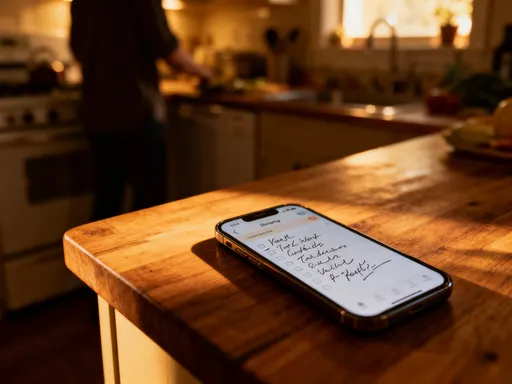
It was early March, and I was standing in my kitchen, coffee in hand, staring at a piece of paper that made my stomach drop. The electricity bill was nearly double what it had been the month before. Double. I wasn’t even sure I read it right. I flipped it over, scanned the dates, checked for errors—nothing. It was real. Our home, the cozy haven we’d worked so hard to build, had quietly become a money pit. I could hear the furnace kicking on every few minutes, the kitchen lights staying on too long, the kids’ devices charging overnight. But none of that felt excessive. We weren’t throwing parties or running hot tubs. So why was this happening?
That’s when it hit me: I had no idea what was actually using the power. I knew the big things—oven, dryer, HVAC—but what about everything else? The coffee maker on standby? The printer that hadn’t been used in weeks? The garage fridge that hummed day and night? I realized I was living in the dark, literally and figuratively. I wanted answers, not guilt. I didn’t want to stop living comfortably—I just wanted to understand where the energy was going. That frustration, that quiet panic of not knowing, is something so many of us share. And it’s exactly what sparked my journey into energy monitoring.
What I discovered wasn’t a magic fix or a complete home overhaul. It was something much simpler: visibility. The ability to see, in real time, what my home was doing when I wasn’t paying attention. And once I could see it, I could make better choices—not because I had to, but because I wanted to. That shift—from guessing to knowing—changed everything. It wasn’t about becoming a minimalist or giving up my morning toast. It was about reclaiming control, one watt at a time.
Meet the Tiny Device That Sees What You Can’t
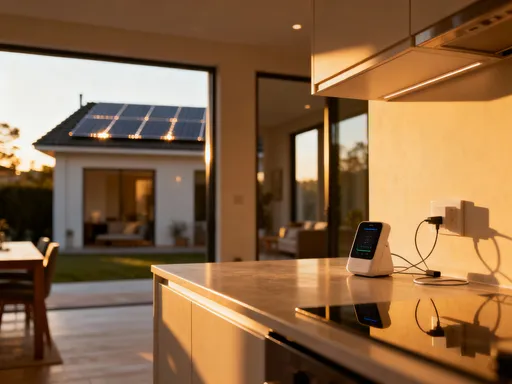
If you’re imagining complicated wiring or a tech guy in a van showing up at your door, let me stop you right there. The devices that help you track home energy use today are surprisingly simple. Think of them as the fitness trackers of your household—except instead of counting your steps, they count your kilowatt-hours. And just like a fitness tracker, they’re designed to blend into your life, not disrupt it. Most come in two forms: plug-in monitors and whole-home systems. The plug-in kind is exactly what it sounds like. You plug it into an outlet, then plug your appliance into it—like your TV, coffee maker, or space heater. It measures how much power that device uses and sends the data to an app on your phone.
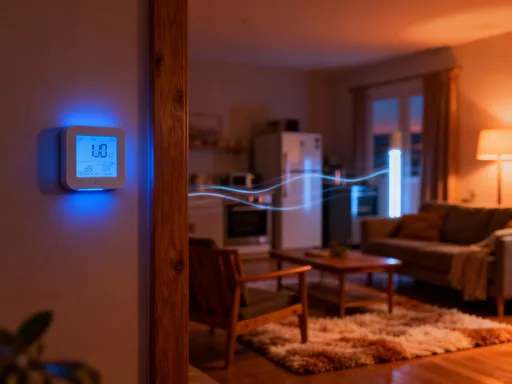
But if you want the full picture—the whole story of your home’s energy life—then a whole-home monitor might be the better fit. These attach to your electrical panel, usually with clips that don’t require any rewiring. A professional can install it in under an hour, but many models are designed for DIY setup. Once it’s in place, it tracks every circuit in your house. The data flows to your smartphone, tablet, or even a small display you can hang on the wall. You can open the app and instantly see which room is using the most power, or what happens when you turn on the dishwasher. It’s like getting X-ray vision for your home’s energy flow.
What I love most is how user-friendly these tools have become. You don’t need to be an electrician or a data scientist. The apps use color-coded graphs, simple charts, and plain language to show you what’s happening. Some even send alerts when something unusual happens—like if your basement light has been on for 48 hours straight. I remember the first time I opened the app and saw a spike in usage at 2 a.m. I thought, Did someone get up for a snack? But no one had. It turned out to be the garage fridge—working overtime because the seal was failing. Without that little device, I’d never have known. It wasn’t just saving me money; it was giving me peace of mind.
The Hidden Energy Hogs in Your Daily Routine
Here’s something that might surprise you: many of the things we think are “off” are actually still using power. This is called “phantom load” or “vampire power,” and it’s more common than you’d think. That coffee maker with the digital clock? It’s sipping energy 24/7. The TV that’s turned off but still connected to the soundbar? Still drawing power. Even phone chargers left in the outlet—yes, they use a tiny bit, even when not charging. Alone, these devices use only a little, but together, they can account for up to 10% of your monthly bill. That’s like paying for an extra room you’re not even using.
When I started using my energy monitor, I decided to test this. I left everything as usual for a week, then unplugged non-essential devices at night—chargers, lamps, the microwave. I didn’t change any major habits. Just that small shift dropped my baseline usage by 8%. And that was before I even tackled the bigger culprits. One of the biggest surprises? Our second fridge in the garage. It’s an older model, and we use it mostly for drinks and party leftovers. Harmless, right? But the monitor showed it was using more power than our main kitchen fridge—every single day. Why? Because it’s not insulated well, it’s in an unheated space, and the door seal is worn. It’s working twice as hard to stay cold.
Another shocker was the game console. My son’s system, when left in standby mode, was using nearly as much power as when it was actively playing games. I had no idea! Once I saw the data, I set it to turn off completely when not in use. Small change, big impact. These aren’t luxuries we need to give up—they’re habits we can adjust with a little awareness. The monitor didn’t judge me; it informed me. And that made all the difference. It’s not about blaming ourselves for not knowing. It’s about empowering ourselves with the truth.
How One Family Cut Their Bill Without Sacrificing Comfort
I met Sarah at a school pickup last fall, and we started talking about how crazy energy bills had gotten. She mentioned she’d been using an energy monitor for a few months and had actually cut her bill by over 20%. I was skeptical—how could that be possible without living in the dark? So I asked her to share her story, and what I learned was both inspiring and totally doable. Sarah and her husband have two kids, a dog, and a busy life. They weren’t willing to give up air conditioning in summer or heat in winter. But they were curious. They installed a whole-home monitor and spent the first week just watching. No changes. Just observing.
What they noticed was eye-opening. Their dishwasher, when run in the evening, spiked usage during peak hours when electricity was most expensive. Their electric water heater was cycling on and off all day, even when no one was home. And the kids’ devices—tablets, chargers, nightlights—were a constant low hum of energy use. So they made a few small shifts. They started running the dishwasher late at night, when rates were lower. They programmed the water heater to heat water only in the mornings and evenings. And they set up power strips in the kids’ rooms to cut power to multiple devices at once with a single switch.
They didn’t turn off the AC—they just adjusted the thermostat to kick on a little later in the morning, since the house stayed cool longer than they realized. They didn’t stop using lights—they switched to timers and motion sensors in hallways and bathrooms. After one month, their energy use was down 23%. Their comfort level? Unchanged. In fact, Sarah said they felt more in control, less stressed about the bill. The kids even got into it, turning it into a game: “Can we beat last week’s score?” It became a family project, not a punishment. That’s the power of data—it doesn’t demand sacrifice. It invites smarter choices.
More Than Money: Peace of Mind and Control
Let’s be honest—saving money feels great. But what surprised me most about using an energy monitor wasn’t the lower bill. It was the sense of calm it brought. There’s something deeply reassuring about knowing what your home is doing. When the weather turns extreme—like a heatwave or a deep freeze—I can check the app and see how my HVAC is performing. Is it cycling too often? Is it struggling to keep up? That information helps me decide whether to adjust the thermostat, add a fan, or call for service before a small issue becomes a big repair.
And when we go on vacation? I used to worry. Did I unplug everything? Is the fridge running fine? Now, I can check from anywhere. I open the app and see that the house is quiet, energy use is low, and everything’s running as it should. If something’s off—a light left on, a pump running too long—I get an alert. It’s like having a quiet guardian watching over your home. One winter, I got a notification that our guest bathroom was using more power than usual. I checked the camera (yes, we have one for security), and the heater was on full blast. No one was in there. Turns out, the smart thermostat had glitched. I reset it remotely, and the problem was solved—before it drove up the bill or caused damage.
Beyond safety and savings, there’s also the quiet pride of knowing you’re doing your part for the planet. Every kilowatt-hour saved means less strain on the grid, fewer emissions, a smaller footprint. You don’t have to be an environmental activist to care about that. You just have to care about leaving a better world for your kids. And when you can see the impact of your choices—when you watch your energy graph dip after making a change—it feels real. It’s not abstract. It’s personal. That’s the emotional reward: the feeling that you’re not just surviving your home, you’re mastering it.
Getting Started: Simple Steps to Bring This Home
If you’re curious, I get it. Where do you even begin? The good news is, it’s easier than you think. Start by deciding what kind of monitor fits your needs. If you want to test the waters, go for a plug-in model. They’re affordable—most under $50—and you can try it on one device at a time. Plug it into your coffee maker, your TV, your space heater. See what uses the most. It’s a great way to learn without commitment.
If you’re ready for the full picture, look into whole-home monitors. Brands like Sense, Emporia, and Curb are popular and user-friendly. Installation varies, but many come with clear instructions and support. Some even offer video guides. Once it’s up, spend the first week just watching. Don’t change anything. Let the data show you the truth. Look for patterns: when usage spikes, what devices are running, what happens when you’re asleep or away.
Then, involve your family. Make it a game. Challenge the kids to find the biggest energy hog. Turn off unused devices together. Celebrate when the bill goes down. Small wins build momentum. And don’t aim for perfection. Start with one change—like unplugging the garage fridge when it’s not full, or running the laundry at night. See how it feels. The goal isn’t to be perfect. It’s to be aware. And once you are, the rest follows naturally. Remember, this isn’t about adding more to your plate. It’s about using what you already have—your home, your devices, your habits—in a smarter way.
A Smarter Home, Not a Perfect One
At the end of the day, this isn’t about creating a flawless, hyper-efficient machine. It’s about living with intention. It’s about knowing that your home is working for you, not against you. Technology like energy monitoring doesn’t ask you to be perfect. It asks you to be present. To pay attention. To make choices that align with your values—whether that’s saving money, protecting the planet, or just feeling more in control of your life.
I used to feel helpless when I saw that bill. Now, I feel empowered. I’m not guessing anymore. I’m not blaming myself. I’m using information to make better decisions—small ones, every day. And over time, those small choices add up to something meaningful. Your home is more than walls and wiring. It’s where your life happens. It’s where you cook, rest, laugh, and love. It deserves to support you, not drain you.
So what if your home could talk? What if it could tell you where you’re wasting money, where you’re overworking the system, where you could make life just a little easier? Thanks to today’s technology, it can. You don’t need to be a tech expert. You don’t need to change who you are. You just need to open the app, take a look, and say, Oh. So that’s what’s been happening. And from there, everything changes. Because now, you’re not in the dark. You’re in charge. And that makes all the difference.