It’s Not Just a Reminder: How a Simple App Helped Me Show Up for Others—And Myself—Every Morning
You know that groggy moment right after you wake up, when the world feels heavy and even replying to a text takes effort? I used to miss volunteer shifts, forget check-ins with teammates, and start my day already feeling behind. Then I found a tiny tool that changed everything—not because it’s flashy, but because it quietly helped me stay connected, committed, and kinder to myself. This isn’t about productivity hacks. It’s about showing up, heart first. And honestly, it’s one of the most meaningful changes I’ve made in years—not just for the people I serve, but for how I see myself in this busy, noisy world.
The Morning Chaos No One Talks About
Mornings. We see them on social media—sunrise yoga, perfectly brewed coffee, inspiring quotes about gratitude. But for many of us, especially women juggling family, work, and personal commitments, the truth is messier. My mornings used to be a quiet battle. I’d wake up already behind—kids needing breakfast, emails piling up, and a mental list so long it made my chest tight. The worst part? I kept missing small but meaningful things. A reminder for our community tutoring session would ping, and I’d swipe it away, promising to check later. Later never came. I missed three volunteer shifts in one month. Not because I didn’t care—because I cared too much, and the weight of it all made me freeze.
It wasn’t laziness. It was emotional overload. Every unanswered message, every forgotten commitment, chipped away at my sense of self. I started believing I wasn’t reliable. I wasn’t the kind of person who followed through. That thought hurt more than the guilt. What I didn’t realize then was that I wasn’t failing—I was just using a system that didn’t fit my life. I needed something gentle, not demanding. Something that didn’t add to the noise, but helped me rise above it. The turning point came when I stopped asking, “Why can’t I do this?” and started asking, “What could help me?” That shift—from self-blame to self-support—opened the door to real change.
Discovering the Right Tool—Not the Flashiest, but the Kindest
I’ve tried my fair share of apps. We all have, right? The ones that promise to turn us into productivity machines—color-coded calendars, aggressive notifications, daily streaks that feel like judgment. I downloaded them with hope, used them for a few days, then quit. They felt like another chore. One even sent me a “You’re falling behind!” message at 7 a.m. Not helpful. Not kind. I didn’t need a digital drill sergeant. I needed a quiet ally—one that understood that showing up isn’t just about time management. It’s about heart management.
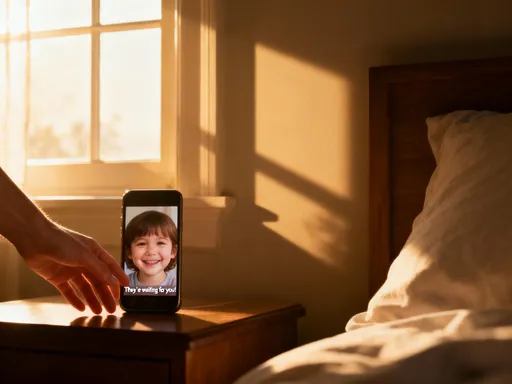
Then I stumbled on a simple coordination app designed for small teams and volunteer groups. No flashy dashboard. No complicated setup. Just a clean, calm interface that made communication feel human. The first time I used it, I got a reminder that said, “Hey, the kids at the learning center are waiting for you!” with a photo from last week’s session. I paused. That wasn’t a cold alert. That was a warm hand on my shoulder. It didn’t say “Meeting at 9:00 a.m.” It said, “They miss your stories.” And something inside me softened.
That’s when I realized: technology doesn’t have to be loud to be powerful. The best tools aren’t the ones with the most features—they’re the ones that align with our values. This app didn’t just tell me what to do. It reminded me *why* I wanted to do it. It didn’t interrupt my peace. It protected it. And in doing so, it made it easier—natural, even—to follow through. I wasn’t being managed. I was being invited.
How Morning Messages Build Connection Before You’re Fully Awake
Now, my phone greets me differently. Instead of a jarring alarm or a flood of news alerts, I get a soft chime—a single message from the app. Sometimes it’s a photo of the kids from yesterday’s reading circle, grinning with their hands raised. Other times, it’s a voice note from Sarah, my fellow volunteer: “Morning, friend! So glad you’re on shift today.” These aren’t tasks. They’re touches of warmth. They meet me where I am—still in bed, half-awake—and say, “You matter here.”
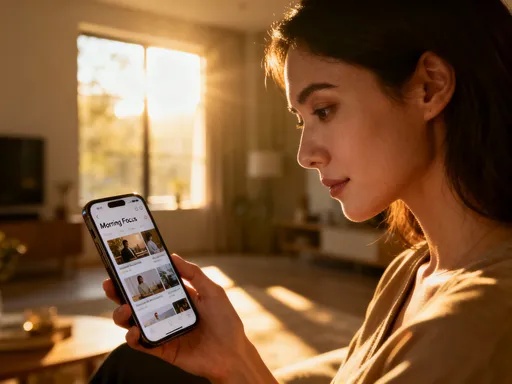
That small shift changed everything. Before, I’d start the day reacting—putting out fires, catching up, apologizing. Now, I begin with connection. I open the app while I sip my tea, and I see that someone is waiting for me. Not demanding, not judging—just expecting me, in the best way. That sense of belonging pulls me out of bed more reliably than any alarm ever did. The app syncs our schedules, yes, but it also syncs our hearts. It knows we’re not robots. So it allows flexible check-ins—“Running 10 minutes late? Tap here to let the team know.” No drama. No guilt. Just grace.
And because it respects my rhythm, I respect it back. I’ve turned off work emails until noon. This time—these quiet morning moments—is for giving, not grinding. The app holds that boundary for me. It’s like having a gentle co-pilot who whispers, “You’ve got this. And you’re not alone.”
Making It Personal: Setting Up Your Own Kind Routine
You don’t need a tech expert to make this work. I started small—just two people in my group: Maria, our coordinator, and Sarah, my volunteer partner. We didn’t overhaul everything. We just customized how the app spoke to us. We added our own morning greetings—mine says, “Time to shine, Mama!”—and we began sharing voice notes instead of texts. There’s something about hearing a real voice, even a quick “Good morning!” that feels more human than any emoji.
We also started using shared photo albums. Every week, someone adds a picture from our session—a child laughing, a handmade thank-you card, a messy craft table. These become our morning inspiration. I’ve even taught the app to learn my routine. I always open it after brushing my teeth, so now it sends the main alert at 7:15—just as I’m drying my face. It’s not perfect, but it’s thoughtful. And that makes all the difference.
One of the best changes? I turned off all non-essential notifications until noon. No work emails, no social media pings. That time belongs to our volunteer work and my own mental space. The app supports that boundary by keeping communication calm and focused. If something urgent comes up, it flags it—gently. Otherwise, it waits. And because I feel in control, I’m more consistent. Within a week, I hadn’t missed a single shift. But more than that—I looked forward to them. I wasn’t just showing up. I was arriving with joy.
Beyond Scheduling: Building Trust and Emotional Accountability
Here’s what surprised me most: the app didn’t just help me keep my promises to others. It helped me keep them to myself. For years, I’d make plans—exercise, journaling, calling a friend—and let them slide. Not out of laziness, but because life got loud. But when I saw that real people were counting on me, and the app made it so easy to confirm, I stopped making excuses. I didn’t want to let the kids down. I didn’t want to let Sarah down. And slowly, I realized—I didn’t want to let *myself* down either.
The tool didn’t replace responsibility. It wrapped it in compassion. Miss a morning? The app doesn’t scold you. It asks, “Need help rescheduling?” That small difference—kindness over criticism—kept me coming back. I wasn’t afraid of failing. I knew I’d be met with support, not shame. Over time, our little group became more reliable, not because we were perfect, but because we felt seen and valued. We started checking in on each other—“You okay? We missed you yesterday.” That kind of emotional accountability is rare. And powerful.
I began to trust myself again. Not because I never slipped, but because I knew I could return. The app didn’t demand perfection. It celebrated presence. And that freedom—freedom from guilt, from pressure—made it easier to show up, again and again. I wasn’t just part of a volunteer team. I was part of a community. And that changed how I moved through the rest of my day.
Small Tech, Big Ripple: The Unexpected Gifts of Showing Up
When I was inconsistent, I was distracted. My mind was elsewhere—worried about what I’d forgotten, stressed about catching up. But once I found my rhythm, something beautiful happened: I had space to *notice*. I saw that little boy who always sat at the back, struggling to sound out words. I noticed the new volunteer, standing quietly by the door, unsure how to join in. Because I wasn’t scrambling, I could offer a smile, a quiet word, a moment of connection.
Others noticed too. A parent pulled me aside one day and said, “You’ve been here every week. It means something—to my daughter, to me.” I almost cried. I hadn’t realized how much it mattered. The app didn’t create that bond, but it made it possible. By taking care of the logistics—the reminders, the scheduling, the gentle nudges—it freed up my emotional energy for what really mattered: being present.
And that presence rippled out. My kids saw me leave each week with purpose. “You’re going to help the kids read, Mama?” my youngest would ask. “Yes,” I’d say. “And they’re waiting for me.” That small exchange taught them about commitment, about care. My husband noticed the change too. “You seem lighter,” he said. “Like you’ve found something that fills you up.” He was right. I wasn’t just giving time. I was gaining joy.
The app didn’t change my life by making me more efficient. It changed my life by helping me show up—with my full heart. And in doing so, it reminded me that even small acts of consistency can create big waves of meaning.
Why This Isn’t Just About Volunteering—It’s About Living with Purpose
This little morning habit did more than organize my schedule. It reshaped how I see my time, my relationships, and my place in the world. I used to think purpose had to be grand—saving lives, changing systems, making big moves. But now I see it differently. Purpose is in the showing up. In the quiet consistency. In the decision, again and again, to be there—not perfectly, but truly.
That app didn’t turn me into a superhero. It helped me become more human. It reminded me that I don’t have to do everything alone. That it’s okay to need support. That even small tools can carry big love. And most importantly, it taught me that taking care of others doesn’t mean neglecting myself. In fact, it’s the other way around. When I give from a place of fullness—when I’m not running on empty—I give better. I listen better. I love better.
In a world that often feels disconnected, where we’re bombarded with noise and demands, this simple practice has become my anchor. It starts with a gentle alert, but it ends with meaning. It’s not about checking boxes. It’s about opening doors—between people, between moments, between who we are and who we want to be.
So if you’ve ever felt like you’re trying your best but still falling short, I want you to know: it’s not you. It might just be the system you’re using. You don’t need to work harder. You need a tool that works *with* you—with your heart, your rhythm, your desire to make a difference, no matter how small it seems. Because showing up, day after day, isn’t just good for others. It’s good for your soul. And sometimes, all it takes is one kind reminder to begin again.