More Than Just Tools: How Remote Work Tech Finally Made Community Organizing Feel Human Again
Remember the days when organizing a simple meetup meant endless group chats, missed messages, and half the people showing up at the wrong time? I’ve been there—juggling spreadsheets, chasing replies, and still feeling like I failed. But something shifted when I stopped seeing remote work tools as just for offices and started using them to build real connection. Now, planning events feels light, inclusive, and actually joyful. Let me show you how. It wasn’t an overnight change. It started with a small experiment: what if we treated our neighborhood clean-up day like a real project? Not in a corporate way, but with a little more care, clarity, and shared responsibility. That tiny shift—using tools designed for collaboration, not chaos—changed everything. And it can for you too.
The Hidden Stress of Organizing “Just a Little Get-Together”
We laugh about it now, but I used to dread planning even the smallest gatherings. A potluck dinner, a school fundraiser, a weekend walk for a local cause—these weren’t big events, but they felt huge. Why? Because behind every smile and casual text saying “Let’s do this!” was a hidden mountain of work. I’d start by sending a message to the group chat: “Thinking of doing a little picnic at the park—what do you think?” One person says yes, another asks about food, someone else wonders about kids’ activities. Before I know it, I’m in ten separate threads, trying to keep track of who said what, who promised to bring napkins, and who never replied at all.
It wasn’t just the logistics. It was the emotional weight. I felt responsible for making sure everyone was happy, included, and informed. And when things went wrong—someone showed up an hour late, we ran out of drinks, the rain caught us off guard—I blamed myself. I didn’t realize it then, but I was carrying the mental load of organizing alone, even when others were involved. That invisible labor is real, and it’s exhausting. It’s not just about remembering dates or sending reminders. It’s about holding space for everyone else’s convenience while quietly sacrificing your own time, energy, and peace of mind.
What made it worse was that no one else seemed to feel the strain. I’d see people show up, enjoy the event, and say, “Thanks for organizing everything!” with genuine gratitude. And I’d smile and say, “It was nothing!” But inside, I was drained. I started wondering: why does bringing people together feel so heavy? Why does something meant to build connection end up isolating the person making it happen? I wasn’t alone in this. So many women—mothers, volunteers, neighbors—carry this quiet burden. We want to create moments of joy, but we end up bearing the cost. That changed when I stopped treating these gatherings like afterthoughts and started giving them the support they deserved.
When I Stopped Using Group Chats (And Started Getting Results)
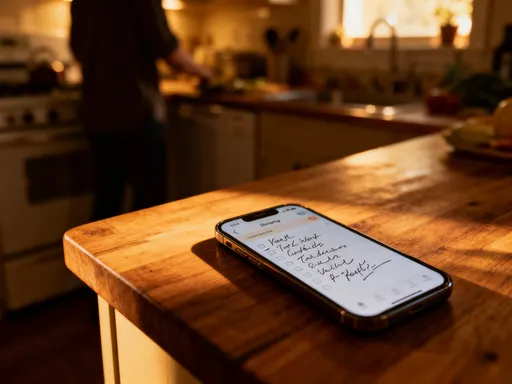
The turning point came after a particularly messy neighborhood picnic. I had sent out five different messages, made a list on my phone, and even called two people to confirm. Still, only half the RSVPs showed up, the grill wasn’t set up on time, and someone brought gluten-free cupcakes… to a group where no one needed them. I stood there, holding a clipboard with smudged notes, realizing I’d spent more time managing chaos than enjoying the moment. That night, I asked myself: what if I used the same tools I rely on for work to plan this kind of thing?
I opened a simple digital board—something like Trello or Asana, nothing fancy—and created a space just for the picnic. I added columns: “To Do,” “In Progress,” “Done.” Then I listed everything: booking the pavilion, assigning food dishes, setting up games, cleaning up afterward. I shared the link with the group and wrote: “Hey everyone, let’s try something new. Instead of a million messages, here’s a place where we can all see what’s happening. Feel free to grab a task if you’d like!”
The difference was immediate. No more pings at midnight. No more guessing who was doing what. People started moving tasks across the board. Sarah took charge of the music playlist. James signed up to bring charcoal. Two moms teamed up to organize the kids’ relay race. I didn’t have to ask. I didn’t have to remind. The board made it easy to see what was needed, and people stepped in naturally. For the first time, I wasn’t the hub of information. I was part of a team.
And the emotional shift? Huge. I stopped feeling like I had to chase people or carry the whole thing. There was no guilt, no frustration—just a quiet sense of trust. People respected the system because it respected them. They could participate on their own terms, without pressure. That picnic wasn’t just better organized. It was more joyful. I actually sat down, ate, and laughed. I wasn’t behind the scenes the whole time. That’s when I realized: it wasn’t the event that changed. It was the way we worked together. And the tool wasn’t cold or corporate—it was the thing that made space for real connection.
Choosing the Right Tool Isn’t About Features—It’s About Feel
When I first looked into these tools, I got overwhelmed fast. So many options. So many features. Do we need file sharing? Real-time editing? Notifications? Integrations? I almost gave up before I started. But then I asked myself a different question: what do we actually need to feel included, informed, and able to help? That changed everything. I stopped looking at specs and started thinking about people.
I narrowed it down to three simple things: accessibility, visibility, and ease of updates. Accessibility means anyone can get in without jumping through hoops—no complicated logins, no downloads, just a link. Visibility means everyone can see the big picture: what’s planned, who’s doing what, what’s done. Ease of updates means changes happen in real time, without endless messages. With those in mind, the choices became clear.
For scheduling, I switched to a shared calendar—Google Calendar, nothing fancy. Instead of guessing when people were free, we all added our availability. The picnic date? Picked in five minutes. For meal planning, we used a shared document where everyone could add what they’d bring. No more duplicates, no more missing essentials. And for ongoing updates, a simple board with color-coded tasks worked better than any chat app. The magic wasn’t in the tech. It was in how it removed friction. People didn’t have to remember to check messages. They didn’t have to ask, “What’s going on?” They could just look and know.
I remember one moment that stuck with me. My neighbor, who’s not very tech-savvy, said, “You know, I actually *saw* that I could help with decorations. No one asked me, but I saw it was open, and I just did it.” That’s the power of visibility. It invites participation without pressure. It turns “someone should do this” into “I can do this.” And that changes how people feel about showing up—not as guests, but as contributors. That’s not about features. That’s about feel.
From “I’ll Handle It” to “We’ve Got This Together”
There was a time when I’d say, “Don’t worry, I’ll handle it,” without even thinking. It came from a place of care, but it also came from a place of control. I thought that if I wanted something done right, I had to do it myself. But that mindset isolated me. It made others feel like bystanders, even when they wanted to help. The real shift happened when I let go—and let the tools help me share the load.
Our school’s fall festival was coming up, and last year, I’d spent weeks stressed, making calls, chasing volunteers, and showing up early to set up alone. This year, I created a simple task list in a shared space. I didn’t assign anything. I just listed what needed to be done: bake sale setup, face painting station, raffle tickets, clean-up crew. I shared the link in the parent group and said, “Take a look—grab anything that speaks to you.”
Within a day, half the tasks had owners. Two dads volunteered to handle the sound system. A group of moms organized the bake sale sign-up sheet. Even the kids got involved—my daughter claimed “balloon animal helper” like it was a real job. What surprised me most was how people showed up. Not because they were asked. Not because they felt guilty. But because they could see the plan, they felt part of it, and they wanted to contribute.
The festival wasn’t perfect—of course it wasn’t. But it was alive, joyful, and full of shared pride. And when it was over, no one looked at me and said, “You did all this?” They said, “We did this.” That’s the difference. When responsibility is visible and shared, it builds belonging. It removes the invisible burden from one person and spreads it across many—lightly, fairly, and with care. It turns “I’ll handle it” into “We’ve got this together.” And that’s not just efficient. It’s healing.
Making Space for Joy (Yes, Even in Planning Meetings)
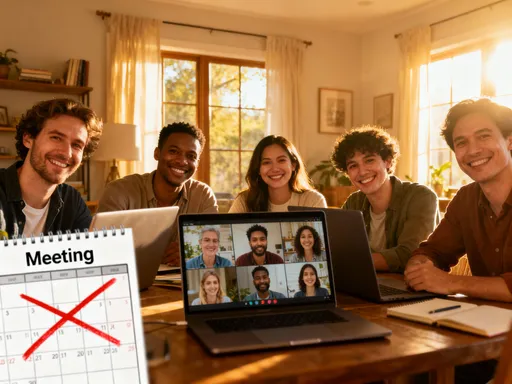
Let’s be honest: planning meetings used to feel like a chore. We’d gather in someone’s living room, juggle paper lists, and talk over each other. Half the time, we left more confused than when we started. Then I tried something simple: a 20-minute video check-in with a shared agenda. Just one change—but it transformed the tone of our gatherings.
I’d send out the agenda the day before: three main topics, clear goals, space for notes. When we met online, we followed it. No tangents. No repetition. We made decisions faster. But more than that—we connected better. Seeing each other’s faces, hearing each other’s voices, laughing at the dog that barked in the background—these small moments made us feel human. One time, after wrapping up, someone said, “I actually *enjoyed* that.” And we all laughed because it was true.
The tool didn’t make us happy. But it made space for happiness. By keeping things focused, it protected our time and energy. We weren’t drained after the meeting. We were energized. We shared wins: “The flyer got 50 shares!” “We raised $200 in one day!” These moments of celebration became part of the process, not an afterthought. And that kept our spirit alive.
I realized then that tech isn’t just about efficiency. It’s about emotional care. When we use tools that respect our time and attention, we show up as our better selves. We’re more present, more patient, more generous. We’re not just getting things done—we’re enjoying the doing. And isn’t that what community is about? Not just results, but the feeling of being together, even when we’re apart.
When Tech Helps You Remember the “Why”
In the middle of planning, it’s easy to forget why we started. We get caught up in deadlines, details, and to-do lists. The bigger purpose—bringing people together, supporting a cause, creating joy—can fade into the background. That’s where tech, used with heart, can help us stay connected to our mission.
After our charity book drive, I created a shared space where we posted photos, thank-you notes from the school, and personal reflections. One mom wrote, “I brought my daughter to pack boxes. She said, ‘Mom, we’re helping kids read!’ That moment meant more than I can say.” Another shared a photo of a handwritten note from a teacher: “Your books filled our classroom library.” We didn’t just see what we’d done. We felt it.
That digital space became our emotional anchor. On days when life felt heavy, I’d open it and remember: this matters. We made a difference. The tool didn’t create that meaning—but it held it. It made the invisible impact visible. It reminded us that behind every task, every message, every decision, was a reason we cared.
Technology, when used with intention, doesn’t replace heart. It protects it. It frees us from the grind so we can focus on what really matters: connection, purpose, and shared joy. It helps us remember that we’re not just organizing events—we’re building something bigger. And that’s worth every click.
Your Turn: Start Small, Stay Human
You don’t need to overhaul everything. You don’t need to be a tech expert. You just need one moment of friction—maybe it’s scheduling a dinner, planning a holiday party, or coordinating a volunteer shift—and one tool to try. Pick something simple: a shared calendar, a group document, a digital board. Share it with your people and say, “Let’s try this together.”
Don’t aim for perfection. Aim for connection. If one person sees a task and says, “I can do that,” you’ve already won. If one meeting ends with laughter instead of exhaustion, you’ve made a difference. This isn’t about replacing human warmth with cold efficiency. It’s about using quiet, thoughtful tools to make space for more warmth, more joy, and more shared responsibility.
You’ve already done the hardest part: caring enough to bring people together. Now, let the tools carry some of the weight. Let them help you build communities that feel light, inclusive, and deeply human. Because you don’t have to do it all. You just have to start. And from there, we’ve got this—together.