What If Your Home Could Balance Work and Power Without You Lifting a Finger?
Working from home used to mean constant battles over Wi-Fi, surprise energy spikes, and awkward group chats about who left the heater on. Sound familiar? I’ve been there—juggling Zoom calls while someone’s running the dishwasher, only to watch the lights flicker. But what if your home could quietly manage all that? Not with magic, but with smart electricity that adapts to your household’s rhythm—making life smoother, bills lower, and shared spaces more peaceful. Imagine a home that doesn’t just respond to you, but anticipates you. That’s not science fiction. It’s happening now, and it’s changing how families live, work, and breathe easier—without even noticing.
The Daily Chaos of Shared Home Offices
Remember the early days of working from home? We thought it was all about comfy clothes and no commute. But reality hit fast—especially when more than one person in the house started logging on. Now, it’s not unusual for a teenager to be in online class in the living room, your partner on a client call in the study, and you trying to finish a presentation from the kitchen table. And just as you’re about to share your screen, the microwave kicks in, the lights dim, and your video freezes. Again. We’ve all been there. It’s not just annoying—it’s stressful. You start keeping mental notes: Don’t run the dryer during Sarah’s math lesson. Wait until after Mark’s meeting to start the dishwasher. It’s like living in a house of landmines, where one wrong move can trigger a blackout or a meltdown.
And it’s not just about convenience. Behind the flickering lights and frozen screens is a deeper issue—energy strain. Older homes weren’t built for this kind of demand. Back then, one person might’ve been on a laptop, maybe the TV was on in the background. Now? We’ve got multiple devices, cloud backups running, video calls, smart speakers, and smart thermostats all pulling power at once. The result? Overloaded circuits, tripped breakers, and energy bills that seem to climb without explanation. I remember calling my electrician last winter, convinced something was wrong with the wiring. He smiled and said, ‘Nothing’s broken. Your house is just working harder than ever.’ That hit me. We weren’t being careless—we were just living modern life in a home that wasn’t keeping up.
What’s even harder to talk about is the emotional toll. It’s the little tensions that build up: the sigh when someone turns on the vacuum during a call, the passive-aggressive note on the laundry room door, the guilt you feel when you realize you left the space heater on all day. These aren’t just power issues—they’re relationship issues. And they chip away at the peace we’re all trying to protect, especially when home is now school, office, gym, and sanctuary all in one. We didn’t sign up for energy management as a side job, but suddenly, it’s part of our daily routine. What if we didn’t have to do it at all?
When Everyone’s Plugged In, Who’s in Control?
Let’s take a peek at a typical morning in my friend Linda’s house. Her son is on a group project call in his room, her husband is printing reports in the home office, and she’s making breakfast—blender, toaster, coffee maker, all going at once. The Wi-Fi slows, the kitchen lights flicker, and the oven display resets. No one did anything wrong. They’re just living life. But together, their habits create a perfect storm of energy demand. The problem isn’t the appliances—it’s the timing. Everything wants power at the same time, and the house doesn’t have a way to say, ‘Hey, maybe not all at once.’
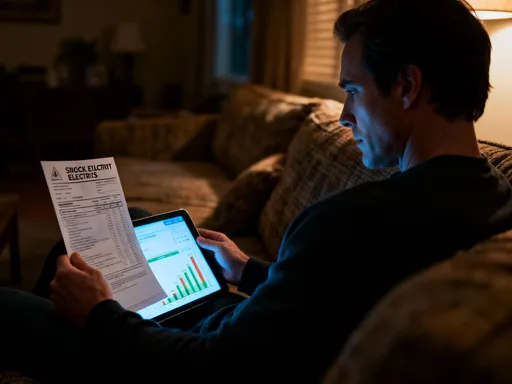
Most of us have no idea how much power we’re using in real time. We only find out when the bill comes—or when something goes wrong. There’s no dashboard, no warning light, no gentle nudge that says, ‘You’re hitting peak load.’ So we keep going, unaware that the dishwasher running during your daughter’s online recital is what caused the Wi-Fi to drop. And because we don’t see it, we can’t fix it. It’s like driving a car without a fuel gauge. You know you need gas eventually, but you don’t know when—or why you ran out so fast.
This lack of awareness leads to frustration. Linda told me, ‘I started feeling like a power police officer. ‘Turn that off!’ ‘Wait your turn!’ It wasn’t fair, but I didn’t want another blackout during a work call.’ She wasn’t alone. In a recent survey, over 60% of remote workers said they’ve argued with family members about appliance use during work hours. That’s not just about energy—it’s about respect, focus, and peace. We want to support each other, but we’re all competing for the same invisible resource. And because we can’t see it, we blame each other instead of the system. The truth is, no one should have to be the energy enforcer. The house should handle that.
Enter Smart Electricity Management: Your Home’s Silent Coordinator
So what if your home could balance power the way a good host manages a party? You know the kind—the one who quietly refills your drink before you ask, moves the music to another room when people are talking, and makes sure no one’s left out. That’s the idea behind smart electricity management. It’s not about turning things off or making you change your life. It’s about having a system that works in the background, making small, smart adjustments so everything runs smoothly—without you even noticing.
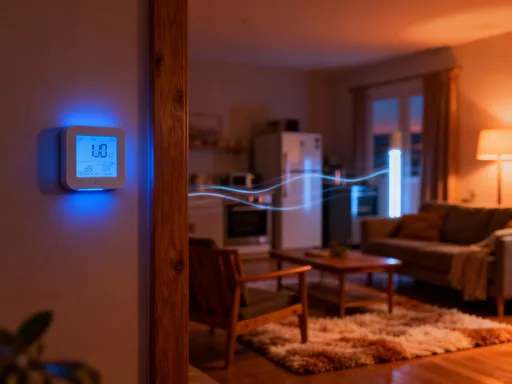
Think of it like a smart thermostat, but for your whole electrical system. Devices like smart meters, load balancers, and AI-powered electrical panels monitor how much power each appliance is using and when. They learn your household’s rhythm—who’s up early, who runs the washer at night, when the kids are on their devices. Then, they quietly shift non-urgent tasks to times when demand is lower. Need to charge the vacuum robot? It’ll wait until after your morning meeting. Want to preheat the oven? It’ll start a few minutes later, when the dryer finishes. It’s not about denying power—it’s about timing it right.
And the best part? It doesn’t require you to do anything different. You still use your appliances the same way. The system just makes sure they don’t all scream for attention at once. It’s like having a wise roommate who knows when to step in. You don’t have to ask. You don’t have to argue. The house just… handles it. One mom I spoke with said, ‘I didn’t realize how much mental space I was taking up worrying about the power until it stopped being a problem. Now, I just live.’ That’s the goal—not more control, but less stress.
How It Learns You (Without Being Creepy)
I know what you’re thinking: ‘Wait, is this thing watching me?’ That was my first reaction too. But here’s the thing—this isn’t about surveillance. It’s about pattern recognition, the same way your phone suggests apps you might want to use or your streaming service recommends a show you’d like. The system doesn’t record who’s using what or why. It doesn’t know if you’re baking a cake or charging a toy. It just sees energy use—when, how much, and for how long. And most of that data stays in your home, not in the cloud.
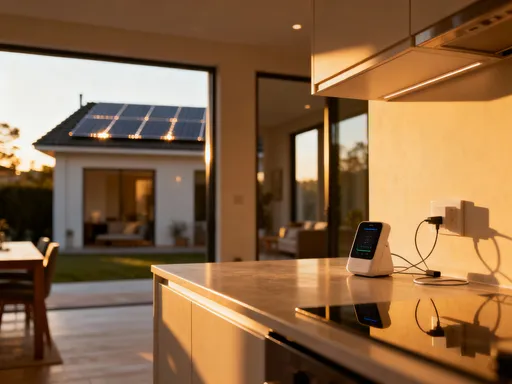
Let me give you an example. My cousin Maria has a solar panel system. In the mornings, her smart panel sees that her kitchen is using power, her daughter is on a call, and the laundry is about to start. It knows solar production is low at that hour, so it delays the washer by 20 minutes—until the sun is higher and more energy is coming in. No action needed. No app to open. The system just waits for the right moment. Later in the day, when everyone’s out, it runs the dishwasher and charges the car, using excess solar power she’d otherwise send back to the grid.
Another family I know set ‘quiet hours’ for high-draw appliances. Between 8 a.m. and 10 a.m., the oven, dryer, and space heaters won’t start unless manually overridden. That’s when both parents are on calls, and the kids are in class. The system respects that priority. It’s not rigid—it learns. If one day the dryer runs early, it adjusts. If someone works late, it shifts. It’s not about rules. It’s about rhythm. And because it’s local—most systems don’t need constant internet—it’s more private and more reliable. You’re not sending your life to a server. You’re just helping your home work better.
Real Gains: Lower Bills, Fewer Arguments, More Peace
The numbers speak for themselves. Families using smart electricity management report saving between 15% and 25% on their energy bills—not by doing less, but by doing smarter. One family in Ohio told me their winter bill dropped by $78 in just one month. They didn’t change their habits. They just stopped wasting power during peak hours. Another family in Oregon said they used to dread their bill arriving. Now, they look forward to it. ‘It feels like getting a bonus,’ the mom said. ‘Like the house is finally working for us, not against us.’
But the real wins aren’t just financial. They’re emotional. Less nagging. Fewer ‘who left the TV on?’ texts. More trust. One dad told me, ‘I used to get annoyed when my wife ran the dishwasher during my calls. Now, I don’t even think about it. The system handles it, and we don’t have to.’ That’s huge. It’s not just about saving money—it’s about saving relationships. When the house takes care of the small stuff, we have more space for the big stuff—like listening, laughing, and just being together.
And there’s a quiet pride that comes with it. Knowing your home is running efficiently, that you’re not wasting energy, that you’re doing your part—it feels good. One woman said, ‘I used to feel guilty about how much power we used. Now, I feel in control. Not because I’m doing more, but because the system helps me do better, without effort.’ That’s the power of good tech—it doesn’t make you work harder. It makes life easier, so you can focus on what matters.
Setting It Up Together: A Shared Ritual That Builds Connection
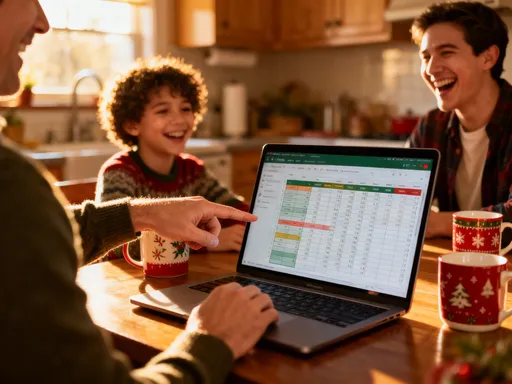
Here’s the thing—this isn’t a solo project. The best part of setting up smart electricity is doing it as a family. It’s not like installing a router and walking away. It’s a conversation. It starts with questions: What times of day are most important for work or school? Are there appliances we can delay? Do we want quiet hours? What’s non-negotiable? I did this with my sister and her husband last summer. We sat at the kitchen table with coffee, talking like we were planning a vacation. We named the system ‘Eco’ and joked about giving it a personality. But underneath, we were setting values. We were saying, ‘This is how we want to live.’
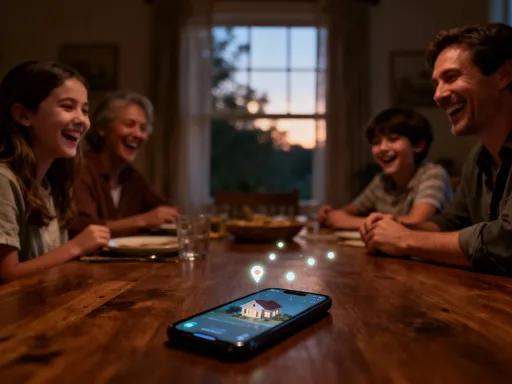
The actual setup is simple. Most systems come with a mobile app and a professional installation—usually just a few hours. The electrician replaces your main panel or adds a smart monitor, and the system starts learning. You can label devices—‘Dishwasher,’ ‘Office AC,’ ‘Kids’ Charger’—so you know what’s using power. You can set priorities: ‘Work hours: high,’ ‘Evenings: medium,’ ‘Overnight: low.’ You can even give it a name, like we did. It sounds silly, but it makes it feel like part of the home, not just a gadget.
And that’s the point. When tech becomes part of your family’s rhythm, it stops feeling technical. It starts feeling human. One mom told me, ‘We had our kids help pick the quiet hours. They felt proud to be part of it. Now, they remind us if we leave something on.’ That’s not just energy savings—that’s teaching responsibility, teamwork, and care for your home. It’s not about control. It’s about connection. And it starts with a simple conversation.
Living Smarter, Not Harder: The Quiet Revolution at Home
We don’t need more gadgets that demand our attention. We need technology that gives it back. Smart electricity management isn’t about flashing lights or complex settings. It’s about calm. It’s about walking into a room and knowing the lights won’t flicker, the call won’t drop, the oven won’t reset. It’s about trust—in your home, in your family, in the quiet systems that support your life.
This isn’t a luxury. It’s the next step in how we live. Homes are no longer just shelters. They’re workplaces, classrooms, sanctuaries. They need to be smarter, not because we want to impress anyone, but because we want to breathe easier. We want to focus on our work, our kids, our peace—without the background noise of stress and surprise bills.
And the most beautiful part? You don’t have to see it to feel it. The best technology fades into the background. It doesn’t shout. It whispers. It learns. It adapts. It serves. It lets you be present. It lets you live.
So imagine this: It’s 9 a.m. Everyone’s online. The coffee’s brewing, the laptop’s open, the kids are in class. And the house? It’s quiet. Not silent—but steady. No flickers. No freezes. No tension. Just life, flowing smoothly. That’s not magic. That’s smart electricity. And it’s ready to make your home a little calmer, a little kinder, a little more like the sanctuary it’s meant to be.