We Can’t All Make It Is So Last Year: How Online Meetings Brought My Team Together
Ever felt the frustration of planning a meeting, only to hear, “Sorry, I can’t make it”? I used to dread that phrase—until online meeting platforms quietly transformed how we connect. No more travel stress, missed moments, or disengaged teams. What started as a necessity became a revelation: better collaboration, deeper focus, and real flexibility. This isn’t just about video calls. It’s about reclaiming time, energy, and human connection in a busy world. Let me share how this simple shift made work feel more human.
The Moment Everything Changed: When “I Can’t Make It” Stopped Being an Excuse
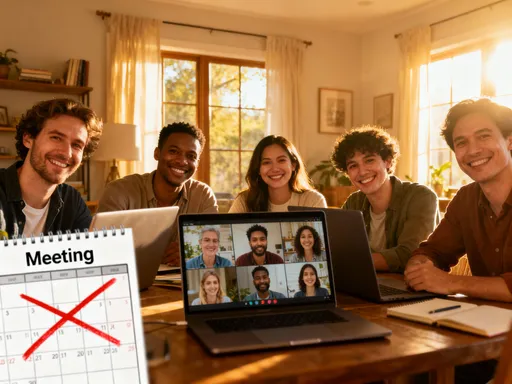
It was a rainy Tuesday morning, and I was standing in the office conference room, coffee in hand, waiting for four of my team members to arrive. One was stuck in traffic, another had a sick child at home, a third was recovering from surgery, and the fourth was traveling for a client visit. We’d scheduled this meeting weeks in advance, and yet—again—only half the team could physically be there. I remember looking at the empty chairs and feeling that familiar knot in my stomach: frustration, guilt, and helplessness all wrapped into one. How could we move forward when half of us weren’t even in the room?
That’s when Sarah, who was at home with her daughter, texted me: “Can we just hop on a quick video call? I’m fully ready, and I hate missing these.” I hesitated—would it feel disjointed? Would the remote folks feel like afterthoughts? But with no better option, I pulled up a popular online meeting platform, shared the link, and invited everyone in. What happened next surprised me. Within minutes, we were all on screen—some in home offices, others in hotel rooms, a few on tablets from their couches. And something shifted. The tone was calmer. People spoke more deliberately. Even our quietest teammate, Mark, who usually stayed silent in large group settings, chimed in with a thoughtful suggestion that ended up reshaping our entire project timeline.
For the first time, “I can’t make it” didn’t mean disconnection. It meant participation from wherever life happened to be. That moment was a turning point. I realized online meetings weren’t a compromise—they were a bridge. A way to include everyone, not just those who could physically be present. And honestly? The conversation felt more focused, more meaningful, than most of our in-person meetings ever had.
Reclaiming Hours: How Virtual Meetings Gave Me Back My Week
Let’s talk about time—because that’s where the real magic happened. Before we embraced online meetings, I didn’t realize how much of my week was being swallowed by logistics. Driving to the office, finding parking, walking to the meeting room, setting up projectors, waiting for stragglers—these little things added up. I did a quick audit one week and was stunned: I was spending nearly 10 hours just getting to and from meetings. Ten hours! That’s more than a full workday lost to commuting and setup.
Switching to virtual meetings changed that overnight. Suddenly, I could go from my kitchen table to a team discussion in under a minute. No traffic. No rushing. No dry-cleaning bills from spilling coffee in the car. Those reclaimed hours didn’t just vanish—they became mine again. I started using that time to review project notes before meetings, which meant I showed up sharper. I scheduled focused work blocks for deep thinking instead of scrambling between meetings. And on days when my kids needed me, I could jump off early and still be fully caught up because I hadn’t lost two hours to the commute.
But it wasn’t just about productivity. It was about peace. I started my mornings with a cup of tea and a few quiet minutes instead of white-knuckling the steering wheel in rush-hour traffic. I had space to breathe, to think, to be present. And that calm didn’t just stay with me—it spilled over into how I led meetings. I was less rushed, more patient, more engaged. My team noticed. One colleague said, “You seem lighter lately.” And I was. Because I wasn’t carrying the weight of constant travel and scheduling chaos anymore. Online meetings didn’t just save me time—they gave me back a sense of balance I didn’t even know I’d lost.
The Focus I Never Knew I Needed: Fewer Distractions, Deeper Work
Here’s something I didn’t expect: online meetings helped me—and my team—focus better. In person, meetings often felt like social events first and work sessions second. There was the small talk at the start, the side conversations during presentations, the coffee runs halfway through, and the lingering chats afterward. Don’t get me wrong—I love connection. But sometimes, I just needed to get things done.
Virtual meetings brought a kind of clarity that in-person ones rarely did. When we were all on screen, the structure felt tighter. We had an agenda, we stuck to it, and we ended on time. Features like muting when not speaking reduced background noise—no more barking dogs or office printers interrupting key points. Screen sharing kept everyone looking at the same document, so we weren’t guessing what someone meant. And virtual backgrounds? They weren’t just fun—they helped minimize visual clutter, so our brains weren’t processing messy bookshelves or laundry piles in the corner.
I noticed my team started coming prepared. They knew the camera was on, the time was limited, and the expectation was engagement. People didn’t multitask as much—because when your video is on, it’s obvious if you’re checking email. Instead, we had real discussions. We asked better questions. We listened more. And because meetings were shorter and more focused, we had more energy for the work that followed. One teammate told me, “I used to leave in-person meetings exhausted, even if nothing got decided. Now, I feel like we actually accomplish something.” That’s the power of focused time—something online meetings made possible in a way I hadn’t imagined.
Inclusion Without Effort: Bringing Remote Voices to the Table
One of the most beautiful side effects of our shift to online meetings was how it changed who got heard. Before, our remote team members—those working from home, different time zones, or satellite offices—often felt like second-class participants. They’d dial in from a speakerphone in an empty room, voices echoing, ideas getting lost. They rarely spoke up, not because they didn’t have anything to say, but because it was harder to jump into a fast-moving conversation when you weren’t in the room.
Online platforms changed that. With everyone on equal footing—each person in their own square on the screen—distance stopped mattering. The chat function became a game-changer. People who were hesitant to speak could type their thoughts instead. I started encouraging this: “Drop your ideas in the chat if you’re not ready to unmute yet.” And wow, did the ideas flow. Questions we’d missed in verbal discussions were answered in real time. Side comments that would’ve been ignored became valuable insights.
Reactions—like thumbs-up, clapping, or heart emojis—also helped. A simple emoji could signal agreement without interrupting, making quieter team members feel seen. We also started using the “raise hand” feature, which gave everyone a fair turn to speak. No more talking over each other. No more dominant voices taking over. I watched as our most reserved colleague, a brilliant analyst named Priya, began contributing regularly. She told me later, “I used to feel invisible. Now, I feel like I have a real voice.” That’s the kind of inclusion that doesn’t require grand gestures—just the right tools used with intention.
Beyond the Office: Family, Learning, and Personal Growth from the Same Screen
What really surprised me was how the same technology that transformed my work life also enriched my personal world. The platform we used for team meetings? I started using it for so much more. Weekly video calls with my sister who lives across the country became our new normal. We’d share dinner on screen, laugh about our kids’ antics, and support each other through tough days. It wasn’t the same as being together—but it was close. And during holidays, we hosted virtual family gatherings where grandparents read stories to grandchildren, and cousins played online games together. The screen became a window to love, not just work.
I also began taking online courses during my lunch breaks—everything from mindfulness to creative writing. The same device that hosted our team check-ins now helped me grow as a person. I joined a virtual book club with friends from college, and we met monthly to discuss novels and life. I even started seeing a career coach online, something I never would’ve made time for if it meant driving across town after work. The flexibility was liberating. I could invest in myself without sacrificing family time.
And let’s talk about parenting. When my son had a school project due, I used screen sharing to help him organize his slides—just like I did with team presentations. He thought it was cool that “Mom’s work tool” could help with homework. The boundaries between work and life didn’t disappear—but they softened in a good way. Technology wasn’t dividing my attention; it was helping me show up in more areas of my life with more presence. One tool, many purposes. That’s the beauty of it.
Making It Feel Human: Small Touches That Build Connection
I’ll be honest—early on, our online meetings felt a little stiff. Everyone in headshots, cameras on, but something was missing. It felt efficient, but not warm. Then I realized: just because we’re online doesn’t mean we have to be robotic. So I started making small changes. I encouraged everyone to keep their cameras on—not to police anyone, but to let us see each other’s faces. A smile, a nod, a look of confusion—it all matters.
We began opening meetings with a quick personal check-in. Just one question: “How are you really doing today?” Sometimes it was “tired but okay,” other times “excited—my garden is blooming!” Those few minutes created space for humanity. We started naming our backgrounds too—like “cozy corner” or “coffee nook”—which made us laugh and feel more connected. One teammate even dressed up her virtual background with her dog’s photo, and we all cheered.
We celebrated small wins on screen—birthdays, work anniversaries, personal milestones. We shared photos of our pets, our baking disasters, our weekend hikes. And slowly, the screen stopped feeling like a barrier and started feeling like a gathering place. I realized that technology doesn’t have to drain warmth—it can carry it, if we let it. The key wasn’t the platform. It was us—showing up as real people, not just job titles. And when we did that, the connection followed.
Getting It Right: Simple Habits That Make Online Meetings Actually Work
Let’s be real—not every online meeting is a success. I’ve sat through plenty that felt like time sinks. But I’ve learned that the difference between a draining session and a powerful one comes down to habits, not hardware. First, I always send a clear agenda 24 hours in advance. That way, everyone knows the purpose and can come prepared. No more “why are we here?” moments.
I also limit attendees. Just because you can invite 50 people doesn’t mean you should. I ask myself: who really needs to be here? Fewer people mean more focus, more participation, and shorter meetings. And I use breakout rooms for team discussions—they create intimacy, even online. Four people in a small room can brainstorm better than ten in a crowded call.
Another habit: I always assign action items at the end. Who’s doing what, and by when? Then I send a quick recap email. It keeps everyone accountable and reduces follow-up messages. I also encourage muting when not speaking—respectful and reduces noise. And I end five minutes early when I can. People appreciate the gift of time.
Most importantly, I lead with empathy. If someone’s camera is off, I don’t assume disengagement—maybe they’re having a tough day. If a kid runs through the frame, I smile and say, “Hey there!” These small acts of grace make people feel safe, seen, and valued. Technology enables the meeting—but humanity makes it matter.
More Than a Meeting—A Better Way to Connect
Looking back, I realize online meetings didn’t just change how we work—they changed how we live. They gave us back time, reduced stress, and made collaboration more inclusive. But more than that, they reminded me that connection doesn’t depend on proximity. It depends on presence. On showing up, listening, and making space for each other—whether we’re in the same room or across the world.
This shift wasn’t about replacing face-to-face interaction. It was about expanding what’s possible. It allowed me to be a better leader, a more present parent, and a more engaged friend. It showed me that technology, when used with care, doesn’t isolate us—it brings us closer. It doesn’t make us less human—it helps us be more human, in our own messy, beautiful way.
So the next time someone says, “Sorry, I can’t make it,” I don’t feel that old pang of frustration. I smile and say, “No problem. We’ll see you online.” Because we’re not just meeting anymore. We’re staying together—no matter where life takes us.