What If Your Family Dinner Could Keep You Safer on Every Trip?
Imagine this: you’re sharing stories over a warm, home-cooked meal, laughter filling the kitchen, when your teenager casually mentions a strange man who followed them at the train station last week. Your heart drops. But what if that conversation—this very moment—could quietly trigger smarter travel safety habits for everyone in your family? Technology doesn’t have to be flashy to protect us. Sometimes, it’s at the dinner table where the real safety planning begins. And the best part? It doesn’t require expensive gadgets or complicated setups. Just a few mindful minutes, a little tech, and a whole lot of care.
The Unseen Risks in Everyday Travel
We often think of travel dangers as dramatic headlines—plane crashes, natural disasters, or faraway places with travel warnings. But the truth is, most safety risks families face aren’t dramatic at all. They happen during the quiet, ordinary moments: a missed bus stop, a phone that dies at the wrong time, a child walking home from school through a dimly lit shortcut. These aren’t rare events. They’re part of daily life. And yet, many of us go unprepared, assuming “nothing bad will happen to us.” That mindset, while comforting, can leave us vulnerable when the unexpected does occur.
Take the story of Sarah, a mom from Portland, who shared how her 13-year-old daughter got off at the wrong stop after a soccer game. It was just one stop too far, but in a neighborhood she didn’t know. Her phone had died, and she didn’t remember her home address by heart. It took nearly an hour before a kind store owner called the number written on the inside of her jacket—something Sarah had insisted on months earlier. “I always thought she knew the basics,” Sarah said. “But stress changes everything. Kids freeze. Phones die. And suddenly, the simplest thing—knowing how to get home—feels impossible.”
This isn’t about fear-mongering. It’s about awareness. The risks aren’t always strangers in dark alleys. Sometimes, it’s a delayed train, a forgotten charger, or a moment of confusion in an unfamiliar place. And the people most at risk? Often, they’re our kids, our aging parents, or even us when we’re distracted, tired, or overwhelmed. The good news? Most of these situations can be prevented with small, consistent habits—habits that start not with panic, but with conversation.
How Family Dinners Can Become Safety Check-Ins
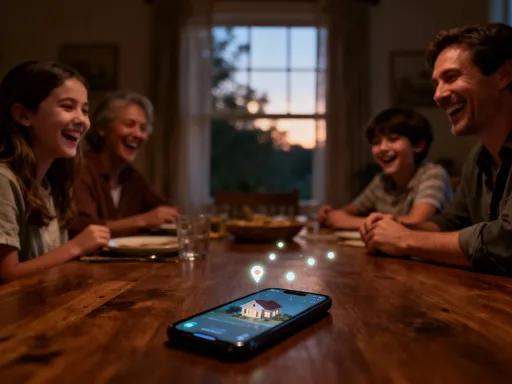
Think about your typical week. When do you actually talk—really talk—with your family? Not quick check-ins, not “Did you finish your homework?” but real, open conversations where everyone feels heard? For many of us, that moment is dinner. It’s when the table is set, the noise of the day starts to fade, and someone finally puts their phone down. That’s why dinner isn’t just about nutrition. It’s one of the most powerful tools we have for building safety into our family’s routine—without making it feel like a chore.
Imagine using those 20 minutes not just to catch up on the day, but to gently weave in safety awareness. A simple question like “Who’s picking you up after dance class tomorrow?” or “Do you know what to do if your ride is late?” can open the door to important discussions. And because it happens in a warm, familiar setting, it doesn’t feel like an interrogation. It feels like care. That’s key. When safety feels like love, not control, kids are more likely to speak up. They’re more likely to share that someone made them uncomfortable, or that they’re nervous about walking home alone.
I remember when my niece, Mia, first started taking the bus to her weekend art class. At first, I’d pepper her with questions: “Are you sitting near the driver? Did you memorize the stop? What if the bus breaks down?” She started avoiding the topic. Then, one night at dinner, her mom simply said, “Tell us about your favorite part of the bus ride.” Mia lit up. She talked about the driver who always waved, the older lady who saved her a seat, and the song she listened to every time. That’s when her mom gently added, “I love that you have people looking out for you. Just so you know, I can see your location if you ever need me—and you can text ‘code red’ if anything feels off. No drama, just backup.” Mia didn’t roll her eyes. She nodded. And from that night on, she’d casually mention, “I’m on the bus, Mom,” as she walked out the door. The habit stuck—because it started with connection, not control.
Technology That Listens—And Helps Before Trouble Starts
Now, let’s talk about tech—not the kind that feels cold or intrusive, but the kind that works quietly in the background, like a good friend who’s always got your back. You don’t need a surveillance system to keep your family safe. You just need a few smart, simple tools that turn awareness into action. And the best time to set them up? Not during a crisis. Not when someone’s already lost. But right here, at the dinner table, when everyone’s calm and present.
Take shared location apps. Most smartphones already have them built in—like Find My on Apple devices or Google’s Location Sharing. These aren’t about tracking every move. They’re about peace of mind. Imagine knowing your daughter made it safely to her friend’s house after school, or that your husband’s late meeting ended and he’s on his way home. You don’t have to ask. You don’t have to worry. The information is there, if you need it. And the best part? You can turn it on together as a family ritual. “Let’s all share our locations for the next few hours,” you might say. “Just in case.” It becomes normal. It becomes routine. It becomes care.
Then there are automated check-in apps—tools that send a gentle reminder if someone hasn’t arrived at their destination on time. Some families use apps like Life360 or Noonlight, not to spy, but to set up a “digital hug” system. If your son forgets to check in after practice, the app can send you a quiet alert. You can reach out—no panic, just a simple “Hey, just checking in.” No guilt. No drama. Just connection. And for teens? It’s not about being watched. It’s about knowing someone cares. One mom told me, “My daughter used to hate it. Now, she says, ‘I like knowing you’ll notice if I don’t make it home.’” That’s the shift we’re aiming for—tech that supports, not suffocates.
And let’s not forget smart voice assistants. You know, the ones sitting on your kitchen counter? They can do more than play music or set timers. You can program them to send check-in messages, remind kids to charge their phones, or even call a trusted contact if a code word is spoken. “Alexa, I’m home safe” can trigger a text to Mom. “Hey Google, I feel unsafe” can alert a family member and share real-time location. These aren’t sci-fi features. They’re available today. And they work best when introduced not as rules, but as tools—like seatbelts or bike helmets. Simple. Smart. Safe.
Turning Conversations into Actionable Safety Habits
Talking is good. But action is better. And the real magic happens when those dinner table chats turn into real, doable habits. The key? Keep it simple. Keep it consistent. And make it a family effort. You’re not just teaching safety—you’re building confidence. You’re showing your kids that they’re capable, prepared, and never alone.
Start small. After dinner, gather around the kitchen table with phones in hand. Spend ten minutes setting up emergency contacts. Make sure everyone has at least two people listed—someone nearby and someone out of town. Why two? Because during an emergency, networks can fail. A local contact might be unreachable, but a cousin across the country could be the lifeline you need. Then, test it. Have each person send a quick “I’m safe” message to the group. Make it fun. Turn it into a game. “First one to reply gets to pick dessert tomorrow!”
Next, create a shared code word. Not something dramatic like “SOS,” but a simple, everyday word that means “I need help” without drawing attention. It could be “pineapple,” “umbrella,” or “homework.” If your daughter texts “Can you help me with my homework?” at 9 PM on a Friday, you’ll know it’s not about math. It’s a signal. She’s uncomfortable. She needs you. And because it’s private, she can use it without fear of embarrassment or escalation. One mom shared how her daughter used the code word during a sleepover when a guest made her feel uneasy. “She texted ‘homework,’ I called, and within minutes, I was there. No questions. No scene. Just safety.”
Then, practice late-return alerts. If someone’s coming home after dark, set up a routine: “Text when you leave, text when you arrive.” Use a shared calendar or a simple reminder app. If the “arrived” text doesn’t come within 15 minutes of the expected time, someone checks in. No yelling. No panic. Just a calm “Hey, just making sure you’re okay.” Over time, this becomes second nature. It’s not about control. It’s about consistency. And consistency builds trust.
Balancing Trust and Technology
Let’s be honest—this isn’t always easy. Parents worry about crossing the line. Teens worry about privacy. We’ve all heard the complaints: “You don’t trust me!” or “It feels like you’re spying!” These feelings are real. And they matter. That’s why the way we introduce technology makes all the difference. It’s not about surveillance. It’s about support. It’s not about control. It’s about care.
The trick is in the framing. Instead of saying, “I’m turning on location sharing to make sure you’re safe,” try, “I’m turning it on so I can relax. Knowing you’re okay helps me sleep at night.” Shift the focus from monitoring to peace of mind. One dad shared how he told his 16-year-old, “I’m not doing this because I don’t trust you. I’m doing it because I love you. And love means having a backup plan.” His son paused, then said, “Okay. But can I turn it off when I’m at Jake’s?” The dad agreed—and added, “Just text me when you get there, and we’ll turn it back on when you leave.” Compromise. Respect. Trust.
And for teens? Help them see tech as empowerment, not invasion. A shared location isn’t just for parents. It’s for friends, too. Imagine your daughter sharing her route with a friend walking home from the library. Or your son letting his sister know he’s on the way when she’s home alone. Tech becomes a tool for mutual care. One teen told me, “I used to hate it. Now, I get it. It’s not about my parents watching me. It’s about us looking out for each other.” That’s the goal—not control, but connection.
Building a Culture of Care, One Meal at a Time
At its core, family safety isn’t about apps, alerts, or gadgets. It’s about culture. It’s about creating a home where everyone feels responsible for each other—not because they have to, but because they want to. And that culture doesn’t happen overnight. It grows slowly, quietly, through repeated moments of care. The question about the bus ride. The shared location turned on without a fight. The code word used without shame. These aren’t isolated actions. They’re threads in a larger tapestry of trust.
When safety becomes a shared value, it changes everything. Kids don’t see check-ins as nagging—they see them as love. Parents don’t feel guilty for caring—they feel confident in their support system. And over time, these habits extend beyond travel. They become part of how the family communicates, connects, and copes. A child learns to speak up when something feels wrong. A parent learns to listen without overreacting. A teen learns that asking for help isn’t weakness—it’s strength.
I’ve watched families transform this way. The ones who started with a simple dinner chat now have a rhythm. Sundays mean “safety check night”—a quick review of apps, contacts, and plans for the week. It takes ten minutes. But it sets the tone for seven days of peace of mind. They’re not perfect. Phones still die. Kids still forget. But now, there’s a system. There’s a plan. And most importantly, there’s a conversation—ongoing, open, and full of love.
From Dinner Table to Peace of Mind
So what if your family dinner could keep you safer on every trip? What if those moments of laughter, stories, and shared meals weren’t just about nourishment—but about protection, too? The truth is, they already can. You don’t need the latest gadget or a complicated system. You just need the willingness to talk, to listen, and to act—little by little, meal by meal.
Technology, at its best, doesn’t replace human connection. It enhances it. It gives us tools to express care in new ways. But it only works when it’s rooted in trust, respect, and love. That’s why the dinner table matters. It’s where we build the emotional foundation that makes safety possible. It’s where a simple question can prevent a crisis. Where a shared laugh can ease anxiety. Where a quiet “I’ve got your back” can echo long after the dishes are done.
So tonight, as you gather around the table, try something small. Ask about the ride home. Suggest a quick app check. Introduce a code word with a smile. Don’t make it heavy. Don’t make it a lecture. Make it part of the rhythm of your family life. Because real safety isn’t about fear. It’s about connection. It’s about knowing that no matter where you are, someone is thinking of you, someone is ready to help, and someone loves you enough to plan ahead.
And that—more than any app, alert, or device—is the greatest protection of all.