Tired of Bill Shock at the End of the Month? Here’s How to Take Control with Smart Tools
We’ve all been there—staring at a surprisingly high electricity bill, wondering where the money went, or realizing too late that we forgot to pay an important invoice. It’s stressful, frustrating, and completely avoidable. The good news? You don’t need to be a tech expert to gain control over your household bills. With a few simple, smart tools and practical habits, you can stop reacting to bills and start managing them—calmly, confidently, and consistently. This isn’t about becoming a data analyst or overhauling your life. It’s about making small, meaningful changes that add up to real peace of mind.
The Moment Everything Changed: When a Surprise Bill Broke the Calm
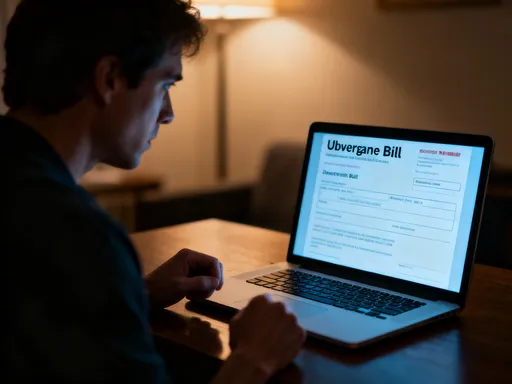
It was a quiet Tuesday evening. The kids were asleep, the dishes done, and I was sipping tea, scrolling through emails before bed. Then I saw it—an alert from my utility company. My electricity bill had nearly doubled from last month. $287. I stared at the screen, my stomach dropping. How? We hadn’t gone on vacation. No major appliances had broken. The weather hadn’t been extreme. And yet, there it was: a number that felt like a personal failure. I remember whispering to myself, “Did I leave the oven on all day? Did the kids leave every light on?” The guilt crept in fast. I felt like I’d failed my family—failed to protect our budget, failed to notice something was wrong.
That night, I didn’t sleep well. My mind raced with questions and quiet shame. I wasn’t angry at the utility company. I was angry at myself. But in the days that followed, something shifted. I started asking different questions. Not “What did I do wrong?” but “How can I prevent this from happening again?” That shift—from blame to curiosity—was the beginning of real change. I realized I’d been managing bills the same way for years: paying them when they arrived, sometimes late, always in a rush, never really knowing what to expect. I was reacting, not managing. And I wasn’t alone. So many women I know—mothers, partners, homemakers—carry the invisible weight of household finances without the tools to make it easier. We’re expected to keep everything running smoothly, but rarely given the support or systems to do it well.
Then a friend mentioned something that changed everything: “I use an app that shows me exactly when my energy use spikes. I can see it in real time.” I was skeptical. Apps? Real-time data? That sounded like something for tech geeks, not someone like me who just wanted to stop getting shocked by bills. But I was desperate. So I looked into it. And what I discovered wasn’t complicated—it was empowering. Technology wasn’t there to replace me; it was there to support me. It could help me see what I couldn’t see before, make better choices, and reclaim my calm. That surprise bill didn’t break me. It woke me up.
Know Your Enemy: Understanding Where Your Money Really Goes
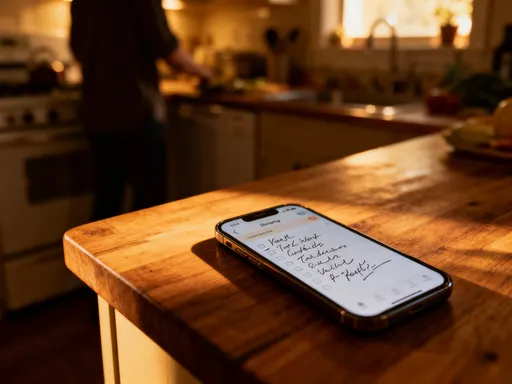
You can’t fix what you can’t see. That’s the simple truth I learned the hard way. Before I started using any tools, I thought I had a good handle on our spending. I knew the big things—rent, groceries, car payment. But the smaller, recurring charges? The energy spikes? The subscriptions I forgot I even signed up for? Those were flying under the radar, quietly draining our budget. I remember sitting down one Saturday morning with a notebook and every bill I could find. I started writing them all down—electricity, water, internet, phone, streaming services, gym memberships. After an hour, I stepped back and stared at the list. I didn’t recognize some of the charges. One was $12.99 a month for a meditation app I hadn’t opened in eight months. Another was a “premium” family plan for a photo storage service we weren’t even using. I felt embarrassed, but also angry—at myself, yes, but also at the system. How were we supposed to keep track of all this?
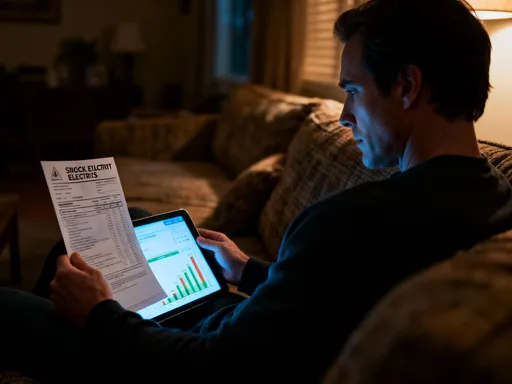
That’s when I discovered personal finance apps that connect securely to your bank and utility accounts. These aren’t fancy tools meant for investors or accountants. They’re designed for people like us—people who want clarity without the headache. I started with one that gave me a simple dashboard of all my spending, automatically categorized. I could see, at a glance, how much we spent on utilities, subscriptions, groceries, and more. The first time I saw the graph of our monthly energy use, I gasped. There was a clear spike in the middle of July—right when we had houseguests for a week. The air conditioner had been running nonstop. But here’s the thing: it wasn’t just about seeing the spike. It was about understanding it. The app showed me not just the “what” but the “why.” And that changed everything.
Within a week, I canceled three subscriptions we weren’t using. I also started checking the energy graph every few days. I noticed that our usage was higher on weekends—especially Sunday evenings. So I asked the kids: “What are you doing on Sunday nights?” Turns out, they were leaving the TV on in the playroom while doing homework in their rooms. A simple conversation fixed that. No lectures, no guilt—just awareness. These tools didn’t judge me. They showed me the facts, gently, clearly. And with that clarity came control. I wasn’t guessing anymore. I was making decisions based on real information. That’s the power of knowing where your money really goes—not just for your budget, but for your peace of mind.
Start Small, Win Big: The 10-Minute Setup That Changes Everything
Let’s be honest—most of us don’t have hours to spend setting up complicated systems. We’re busy. We’re tired. We don’t need another chore. That’s why I love how simple this can be. The entire setup—linking your accounts, setting up alerts, choosing a dashboard—can take less than 10 minutes. And you don’t need to be tech-savvy. I promise. I’m not. I still get confused by printer settings. But this? This is easy. Here’s exactly what I did: I downloaded a trusted personal finance app—nothing flashy, just one with good reviews and bank-level security. I opened it, created an account, and followed the prompts to link my checking account, credit card, and utility providers. It took about seven minutes. Then I turned on bill reminders and spending alerts. Done.
I remember my friend Sarah was skeptical when I told her about it. “Wait, you just gave an app access to your bank account? Isn’t that dangerous?” I get it. The idea of linking accounts can feel scary. But here’s what I learned: these apps don’t store your login information. They use secure connections—like the same kind your online banking uses. And you can always disconnect them later. I showed her how it worked on my phone. I pulled up my dashboard, and there it was: all my bills in one place, color-coded and organized. “See this red bar?” I said. “That’s our electricity bill. And look—there’s a notification saying it’s due in three days.” She leaned in. “So you don’t have to remember?” “No,” I said. “The app remembers for me. And if I go over budget in any category, it sends me a little alert. No surprises.” She paused. “That’s… actually kind of amazing.”
That 10-minute setup didn’t solve every financial problem we had. But it solved the biggest one: the constant stress of not knowing. Now, instead of dreading the end of the month, I look forward to checking my dashboard. It’s like having a calm, organized friend quietly helping me keep track of things. And the best part? It doesn’t ask for anything in return. No nagging, no judgment—just useful information when I need it. You don’t need to overhaul your life to get control. You just need to start small. One app. Ten minutes. One decision to stop guessing and start knowing.
Make Energy Work for You: Smart Devices That Pay for Themselves
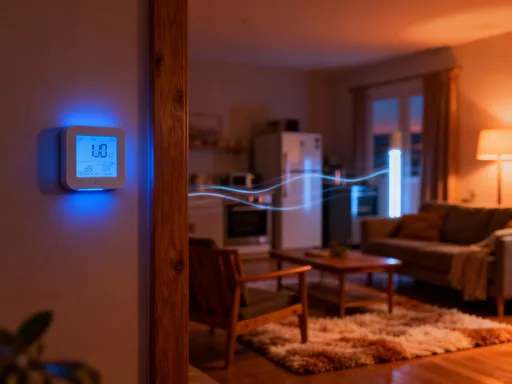
Here’s something I never thought I’d say: my thermostat and I have a good relationship. It knows when we’re home. It knows when the kids get back from school. And it adjusts the temperature so we’re comfortable—but not wasting energy. It sounds a little silly, I know. But this small device, which cost less than a weekend out, has saved us over $150 in the first six months. And it wasn’t magic. It was just smart. Smart thermostats, smart plugs, energy monitors—these aren’t luxury gadgets. They’re practical tools that help you use energy when you need it and save when you don’t.
I started with a smart plug. I plugged our living room lamp into it and set a schedule: off at 10 p.m., on at 6:30 a.m. Simple. But within a month, I noticed our electricity use had dropped. Then I got a smart thermostat. The setup took about 20 minutes—most of it just walking through the house to let it learn our routine. Now, it cools the house just before we get home from work and school, and it turns down the heat at night. I can adjust it from my phone if plans change. No more coming home to a freezing house or wasting energy cooling an empty one. And here’s the best part: it learns. It doesn’t just follow a schedule. It adapts. If we come home earlier one day, it notices. If the weather changes, it adjusts. It’s like having a quiet partner in the background, making sure we’re comfortable without overspending.
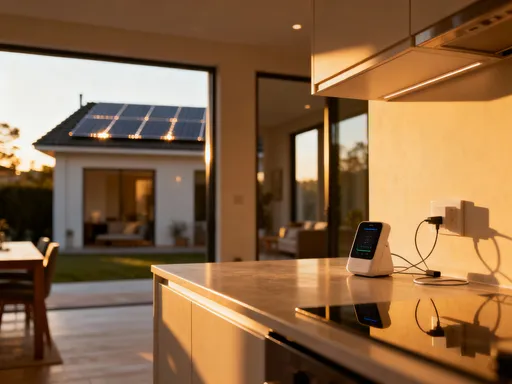
One of my favorite tools is an energy monitor. It clips onto my electrical panel and shows real-time energy use on my phone. I can see exactly how much power each appliance uses. I did a little experiment: I turned on the oven, the microwave, and the dishwasher at the same time. The graph spiked dramatically. That was my “aha” moment. Now, I try to stagger heavy-use appliances. I also discovered that our old refrigerator was using way more energy than it should. We replaced it with an energy-efficient model, and our monthly bill dropped again. These devices don’t demand attention. They just quietly show you what’s happening. And when you see the data, you make better choices. It’s not about deprivation. It’s about awareness. And that awareness pays off—literally.
Stay on Track Without the Stress: How Automation Brings Peace of Mind
Let me ask you something: how many times have you paid a bill late—not because you didn’t have the money, but because you forgot? I’ve done it more times than I’d like to admit. Late fees for the internet. A credit card payment missed by two days. Each one felt like a tiny failure. And worse, they added up. Not just in dollars, but in stress. I remember one month, I got three late fees in a row. I was exhausted, overwhelmed, and embarrassed. I wasn’t careless. I was just busy. And that’s the truth for so many of us. We’re not bad with money. We’re just human.
That’s why I turned to automated payments. I didn’t do it all at once. I started with one bill—the internet. I set it to pay three days before the due date, so I’d still have time to check my balance. Then I added the electricity bill. Then the phone. Now, all my major bills are set to pay automatically. I still check my account weekly, but I don’t have to remember dates. The system remembers for me. And the relief? It’s incredible. I no longer lie awake wondering if I forgot something. I don’t have to interrupt my day to log in and pay. It just happens. And those late fees? Gone.
I know what some of you might be thinking: “What if something goes wrong? What if I don’t have enough money?” Those are fair concerns. That’s why I set up safeguards. I keep a small buffer in my checking account—just enough to cover the bills. I also turned on low-balance alerts. And I review my upcoming payments every Sunday night, just to stay aware. Automation isn’t about giving up control. It’s about using technology to support your control. It’s like having a safety net. You’re still in charge, but you’re not carrying the entire load alone. The mental space this has freed up is priceless. I argue less with my partner about money. I feel calmer. I sleep better. And honestly? I have more energy for the things that matter—my family, my hobbies, myself. That’s the real benefit of automation. It’s not just about saving money. It’s about saving your peace.
Share the Load: Getting the Whole Household on the Same Page
Bills aren’t a solo job. But too often, they feel like one. In many homes, one person—usually the woman—ends up managing the finances, remembering the due dates, tracking the spending, and absorbing the stress. I was that person. And I didn’t even realize how much I was carrying until I shared the load. It started with a simple decision: I invited my partner to look at our finance app with me. I showed him the dashboard, the bills, the alerts. “This is what I see every week,” I said. He was quiet at first. Then he said, “I had no idea you were keeping track of all this.” That moment changed everything. It wasn’t about blaming him. It was about transparency. And transparency builds trust.
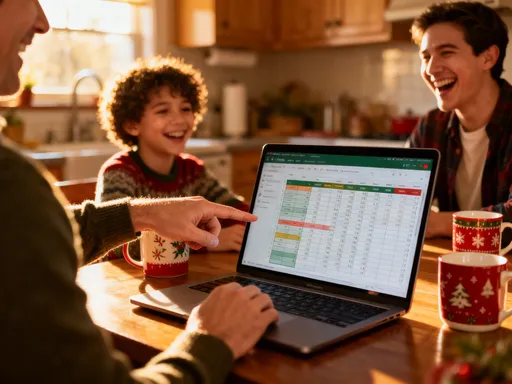
We set up a shared view in the app so we could both see the same information. We also started using a shared budgeting goal—for example, saving for a family trip. Every time we stayed under budget in a category, we’d get a little celebration notification. It became a team effort. The kids even got involved. We showed them how turning off lights and unplugging devices helped us stay under our energy goal. They loved it. Suddenly, saving energy wasn’t a lecture—it was a game. “We’re saving money for the beach house!” they’d say, running to turn off the TV. That small shift—making it visible, shared, and positive—changed our whole relationship with money.
I’ve heard from so many women who say their partners don’t “get” the stress of managing bills. But often, it’s not that they don’t care. They just don’t see it. When we keep everything in our heads, no one else can help. But when we bring it into the open—through shared tools, shared goals, shared responsibility—everyone benefits. Arguments about money decreased in our home. Decisions became collaborative. And I felt lighter, like I wasn’t carrying the whole weight anymore. You don’t have to do this alone. You don’t have to be the only one who knows. Sharing the load isn’t about losing control. It’s about building a stronger, calmer, more connected household.
From Survival to Strategy: How Small Changes Build Long-Term Confidence
When I look back at that moment—the $287 electricity bill, the sleepless night, the quiet shame—I don’t feel embarrassed anymore. I feel proud. Proud that I didn’t ignore it. Proud that I asked for help, not from a person, but from a tool. Proud that I made small, consistent changes that added up to something bigger. This journey wasn’t about becoming perfect. It was about becoming aware. It was about replacing fear with knowledge, and reaction with strategy. And the confidence that’s grown from that? It’s spread into every part of my life.
I make better decisions now—not just about bills, but about everything. I’m more intentional with purchases. I save more easily. I feel less anxious about the future. I even started a small side project I’d been putting off for years. Why? Because I finally felt like I had control. And that control didn’t come from working harder. It came from working smarter—using tools that were already available, that were designed to help, not complicate.
This isn’t the end of the journey. It’s a new way of living. Some months are still messy. We still forget things. But now, we have systems. We have clarity. We have peace. And that’s worth more than any savings goal. If you’re tired of bill shock, if you’re tired of carrying the weight alone, know this: you don’t have to stay stuck. Start small. Try one tool. Spend 10 minutes. Let technology be your quiet ally. You don’t need to be a tech expert. You just need to be willing to try. Because the life you want—one of calm, confidence, and control—is closer than you think. And it starts with a single decision: to take back your peace, one bill at a time.