Tired of Forgetting Your Passport at Home? This Travel Habit Finally Made Trips Stress-Free
We’ve all been there—standing at the airport check-in counter, heart racing, only to realize you left your passport on the kitchen counter. Or worse, arriving at your destination and discovering your medication is still packed in the suitcase you checked. Travel should be exciting, not exhausting. What if a few small, smart habits could eliminate those panic moments? It’s not about perfect planning—it’s about building simple, reliable routines that work every time. I used to be the kind of traveler who double-checked everything—except the one thing that mattered most. Then one summer, rushing to catch a flight for my sister’s wedding, I got to security and froze. No passport. I’d left it in the printer tray where I’d scanned my boarding pass the night before. That 45-minute panic call, the $120 same-day delivery fee, the guilt of making everyone wait—it changed how I travel forever.
The Moment Everything Went Wrong (And Why It Doesn’t Have To)
That day at the airport wasn’t just a mistake—it was a wake-up call. I had done everything ‘right.’ I packed early. I downloaded my boarding pass. I even set a reminder on my phone. But in the chaos of last-minute goodbyes, dog-sitter instructions, and a leaky coffee cup, my brain skipped the one step that couldn’t be skipped. I thought I was being careful, but I was just relying on memory, and memory fails when we’re stressed. I missed the flight. I showed up late to the wedding. And I spent the first two days of what should have been a joyful trip apologizing and feeling like I’d let everyone down.
What I didn’t realize then was that this kind of thing happens to nearly everyone. A 2022 travel survey found that one in three adults has forgotten a critical travel document at home at least once. And it’s not just passports—people forget visas, hotel confirmations, even wedding rings packed in carry-ons. The emotional toll is real. That knot in your stomach, the voice in your head saying, ‘How could I be so careless?’ It’s not just about the money or the time lost. It’s about feeling like you’ve failed at something that should be simple. But here’s the truth: it’s not your fault. Our brains aren’t built to hold onto dozens of small details when we’re juggling family, work, and the emotional rollercoaster of leaving home.
The good news? You don’t need to be more careful. You need a better system. I learned that the hard way. After that wedding trip disaster, I stopped blaming myself and started building a routine that didn’t depend on memory. I realized that the most experienced travelers aren’t the ones who never make mistakes—they’re the ones who’ve created habits that catch mistakes before they happen. And that shift—from trying to remember everything to trusting a process—was the real game-changer.
Why We Keep Repeating the Same Mistakes
Let’s be honest: we all think we’re better at multitasking than we really are. We believe that because we’ve traveled before, we’ll naturally remember what to do. But the truth is, every trip is a high-pressure situation. You’re packing under time, managing emotions, and often doing it while helping others—kids, pets, partners, parents. Your brain is already overloaded. And when cognitive load is high, the first thing to go is short-term memory. That’s why you can walk into a room and forget why you’re there. That’s why you can pack a suitcase and forget your toothbrush. It’s not forgetfulness. It’s brain fatigue.
Psychologists call this ‘attentional tunneling’—when stress narrows your focus so much that you miss obvious things. You’re so focused on getting the kids dressed and fed that you don’t notice your passport isn’t in your bag. You’re so busy confirming your ride to the airport that you forget to charge your phone. And because we rely on memory instead of systems, we keep making the same mistakes, trip after trip. I used to think, ‘I’ll just make a checklist.’ But then I’d forget to check the checklist. Or I’d check it too early, before I’d actually packed everything. The problem wasn’t the checklist—it was when and how I used it.
Here’s what research shows: habits are more reliable than memory. A study from Duke University found that over 40% of our daily actions are driven by habit, not conscious decision-making. That means if you can turn travel prep into a habit, you’re far more likely to do it right—every time. The key isn’t intensity. It’s consistency. Doing a little bit right, every time, beats doing everything perfectly once. That’s why elite athletes don’t just train hard—they train the same way, every day. It’s not about being perfect. It’s about being predictable. And the same principle applies to travel. When you build a simple, repeatable routine, you stop relying on memory and start trusting a process.
Meet Your Travel Safety Ritual: Small Steps, Big Results
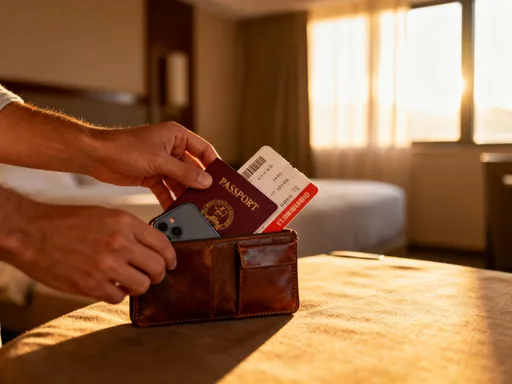
After my passport disaster, I created what I now call my ‘Travel Safety Ritual.’ It’s not fancy. It doesn’t require any special tools. But it’s saved me more times than I can count. The core idea is simple: do the same three things, in the same order, every time I prepare for a trip. First, I pack the night before. Second, I charge all devices by 8 p.m. Third, I do what I call the ‘document handshake’—a two-step check of all critical items. I keep my passport, boarding pass, hotel info, and medication in one clear folder. I check it once when I pack it, and once right before I leave the house. That’s it. No apps. No spreadsheets. Just a routine that works.
Let me tell you why this works so well. Packing the night before isn’t just about time management—it’s about reducing decision fatigue. When you pack early, you’re not rushing. You’re not distracted. You’re in a calm state of mind, so you’re more likely to remember the small things—like your reading glasses or the gift you bought for your host. Charging devices early means you wake up to a full battery. No last-minute scrambling for chargers. And the ‘document handshake’? That’s my safety net. By checking twice, I catch mistakes before they become disasters. I once forgot my hotel reservation in the folder. I caught it during the second check. That small habit saved me from showing up to a fully booked resort with no place to stay.
The beauty of this ritual is that it’s repeatable. It doesn’t matter if I’m going on a weekend getaway or a two-week vacation. The steps are the same. I don’t have to think. I just do. And because it’s consistent, it builds confidence. I don’t lie awake worrying, ‘Did I forget something?’ I know I didn’t—because I followed the routine. This isn’t about being obsessive. It’s about being prepared. And the more I do it, the more natural it feels. It’s like brushing your teeth. You don’t debate whether to do it. You just do it. That’s the power of habit.
How Technology Quietly Supports Your Habits
Now, I know what you might be thinking: ‘But what about apps? Don’t they make this easier?’ And yes, technology can help—but only if it supports your habits, not replaces them. I used to download every travel app I could find. Packing lists, flight trackers, currency converters. But most of them sat unused. Why? Because they added complexity instead of reducing it. The tools that actually helped me were the ones that worked quietly in the background, reinforcing what I was already doing.
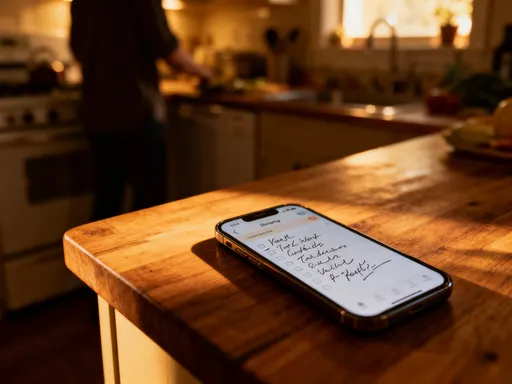
For example, I set a recurring reminder on my phone for 7:30 p.m. the night before every trip: ‘Pack. Charge. Document check.’ It’s not flashy. But it works. It doesn’t make me smarter. It just makes me consistent. I also use cloud storage to keep digital copies of my passport, ID, and travel insurance. I upload them once and forget about them. If I ever lose my physical documents, I can access the scans from any device. That’s not magic—it’s just smart backup. And it’s given me peace of mind on more than one trip.
Another tool I love is smart luggage with GPS tracking. I don’t rely on it to find my bag—I rely on my packing habit for that. But if my suitcase does get lost, I can track it in real time. That happened once in Madrid. My bag didn’t make the connection. But because it had a tracker, the airline found it within hours. Technology didn’t prevent the mistake, but it minimized the damage. That’s the key: tech should support your habits, not carry the whole load. When used right, it’s like a co-pilot—there when you need it, but not in your way.
Making It Stick: Turning Tips Into Daily Practice
Let’s be real: changing habits isn’t easy. I didn’t wake up one day and suddenly become a travel pro. It took months of small, consistent steps. At first, I forgot to do the document handshake. I skipped charging my phone. I even packed the morning of the flight—old habits die hard. But I didn’t give up. Instead, I made the routine easier to follow. I linked it to something I already did every night: brushing my teeth. Now, right after I brush my teeth, I do my travel check. It’s become automatic. I don’t have to remember. It just happens.
Another thing that helped was tracking my progress. I kept a simple note on my phone: ‘Travel Ready?’ with a checkmark for each time I completed the ritual. After ten trips with no mistakes, I felt proud. After twenty, it felt normal. That sense of accomplishment kept me going. And when I did slip up—like the time I forgot to charge my e-reader—I didn’t beat myself up. I just asked, ‘What part of the routine did I skip?’ Then I adjusted. Maybe I needed the reminder earlier. Maybe I needed to pack sooner. The goal wasn’t perfection. It was progress.
What I’ve learned is that behavior change isn’t about willpower. It’s about design. If you make the right choice the easiest choice, you’ll do it more often. That’s why I keep my travel folder in the same drawer every time. Why I plug my charger into the same outlet. Why I set the same reminder. I’m not trying to be disciplined. I’m trying to make it effortless. And when it’s effortless, it sticks. You don’t have to be perfect. You just have to be consistent. And over time, those small wins add up to big confidence.
Family Travel Made Easier: One Habit That Changes Everything
When you’re traveling with family, the stakes go up. It’s not just about you anymore. You’re responsible for passports, medications, favorite toys, special snacks, and the emotional well-being of everyone in your group. I remember one trip with my kids and my mom. We were all stressed. The kids were arguing. My mom was worried about her heart medication. I was overwhelmed. And then, 20 minutes before we left, I realized I didn’t know where anyone’s passport was. Chaos. That trip started with tension and ended with exhaustion. It didn’t have to be that way.
Now, we have a family ritual: the ‘pre-flight checklist moment.’ The night before we leave, we gather in the living room. Everyone brings their bag. We go through a simple checklist together: passports, tickets, chargers, medications, comfort items. We do it calmly, with music playing in the background. It’s not a chore. It’s a moment of connection. My kids know it’s their job to find their own passports. My mom double-checks her pills. I do the final sweep. And when we’re done, we high-five. It’s become something we look forward to.
This habit has changed everything. It reduces conflict because everyone knows their role. It builds trust because we’re all accountable. And it gives us peace of mind. No more last-minute panic. No more blaming. Just a quiet confidence that we’re ready. That shift—from stress to calm—has made our trips more enjoyable from the very beginning. We arrive at the airport relaxed. We have time to laugh, to chat, to just be together. And that, more than any destination, is what makes a trip special.
The Freedom That Comes From Feeling Prepared
Here’s the thing I didn’t expect: when you stop worrying about the basics, you start enjoying the journey. I used to spend the first day of every trip recovering—from the stress, the rush, the mistakes. Now, I spend it present. I notice the way the light hits the mountains as we land. I listen to my kids’ excited chatter. I savor my first coffee in a new city. That shift—from survival to joy—is the real reward of a good routine.
Feeling prepared doesn’t just prevent problems. It creates space—for connection, for curiosity, for wonder. It lets you be the traveler you want to be: calm, open, engaged. You’re not distracted by what you might have forgotten. You’re focused on what’s in front of you. And that makes all the difference. Travel isn’t just about seeing new places. It’s about experiencing them fully. And you can’t do that if you’re mentally still at home, wondering if you turned off the stove.
The habits I’ve shared aren’t about control. They’re about freedom. Freedom from anxiety. Freedom from guilt. Freedom to actually enjoy your trip. Because when you trust your routine, you trust yourself. And that confidence spills over into every part of your life. You start applying the same principles at home—packing school bags the night before, prepping meals in advance, creating little rituals that make life smoother. What started as a travel fix became a life upgrade.
So if you’ve ever stood at an airport counter, heart pounding, wishing you’d done one thing differently—know this: you’re not alone. And you don’t have to keep living that way. Start small. Pick one habit. Do it the same way, every time. Let technology help, but don’t depend on it. Involve your family. Make it a ritual, not a chore. And watch how quickly your stress fades and your joy grows. Because travel should be an adventure. And with the right habits, it finally can be.