From Drifting to Deepening: How a Simple App Brought My Friendships Back to Life
Friendships fade not with drama, but with silence. You mean to call, you want to check in—but life pulls you under, and weeks turn into months. I lost track of my closest friends not because we grew apart, but because we got busy. Then I discovered something unexpected: a tiny health reminder app didn’t just improve my well-being—it quietly rebuilt my connections. It reminded me when to reach out, how to care, and why small moments matter. This isn’t about technology. It’s about staying human in a world that forgets to pause. And if you’ve ever looked at your phone, seen a name light up in a photo, and thought, “I really should call her,” then this story is for you.
The Slow Fade of Modern Friendships
Have you ever opened your photo gallery and been hit with a wave of nostalgia so strong it almost hurt? That’s what happened to me last winter. I was scrolling through old pictures—beach days, birthday dinners, spontaneous road trips—and suddenly realized I hadn’t spoken to three of those women in over six months. Not because we’d argued. Not because we didn’t care. But because life, in its quiet, relentless way, had simply carried us in different directions.
It’s strange, isn’t it? We live in a world where we can video chat across continents, send a message in seconds, or share a moment with hundreds of people at once. And yet, so many of us feel disconnected from the very people who once knew us best. The truth is, adult friendships don’t end with a bang. They fade in the spaces between texts, in the unanswered calls, in the “We should get together soon” that never quite happens. And the guilt creeps in slowly—until one day, reaching out feels harder than it should.
I used to think I was the only one. But when I mentioned it to my sister over coffee, she sighed and said, “I haven’t talked to my college roommate in over a year. We used to talk every week.” A friend at book club admitted she missed her best friend from grad school but didn’t know how to restart the conversation after so long. It’s not that we don’t value these relationships. It’s that we’re overwhelmed. Work, kids, errands, chores, screens—our days fill up like a cup overflowing, and the things we care about most often end up on the edges.
And here’s the irony: we’re more “connected” than ever, yet so many of us are quietly lonely. We scroll through curated feeds of other people’s lives while our own meaningful connections gather dust. We mistake digital presence for real closeness. But liking a photo isn’t the same as hearing someone laugh. A quick emoji doesn’t replace the comfort of knowing someone truly sees you. The gap isn’t in our hearts—it’s in our habits. We need something—anything—that helps us bridge the silence.
A Health App That Noticed What I Didn’t
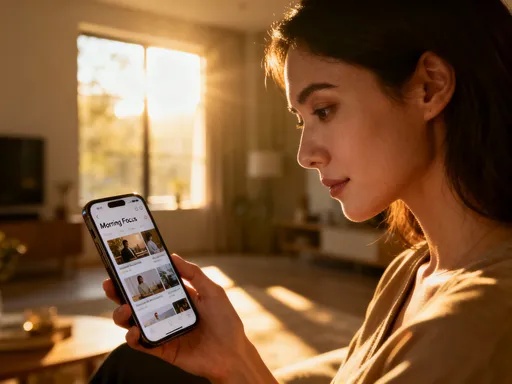
It started with water. That’s right—water. I downloaded a simple health app to remind me to drink more throughout the day. I’d been feeling sluggish, foggy, and honestly, a little run down. The app was basic: gentle pings every few hours saying, “Time to hydrate!” But then, one afternoon, a new kind of notification popped up: “Check in with someone who matters.”
I stared at it. That was unexpected. I didn’t download this app for relationship advice. But something about the wording stayed with me—“someone who matters.” Not “a friend,” not “a contact,” but someone who matters. It felt personal. Important. So, on a whim, I tapped it. The app asked if I wanted to send a quick text, make a call, or save it for later. I chose text. I picked my friend Sarah, who I hadn’t spoken to in months. I typed: “Hey, just thinking of you. How are you really doing?”
Within minutes, my phone buzzed. “Oh my god,” she wrote, “I’ve been having a rough week. This message came out of nowhere, but I needed it so much.” We ended up texting for over an hour. Not about surface stuff—work, weather, what we were cooking—but the real things: her anxiety about her mom’s health, my struggles with feeling invisible at work, how much we missed our old Sunday coffee walks. It wasn’t dramatic. It wasn’t long-lost reunion energy. It was simple, honest, and deeply comforting.
That moment changed everything. I realized the app wasn’t just tracking my physical health—it was quietly supporting my emotional health too. It saw what I hadn’t: that caring for myself wasn’t just about water, sleep, or movement. It was also about connection. And sometimes, all it took was a tiny nudge to remember what mattered.
How Gentle Nudges Turn Into Meaningful Moments
You might be wondering: can a notification really spark something real? I asked myself the same thing. But here’s what I’ve learned—technology doesn’t have to be cold or robotic to be useful. When designed with care, it can actually help us be more human. Those little reminders didn’t feel like commands. They felt like whispers from my better self: “Don’t forget her. She’s important.”
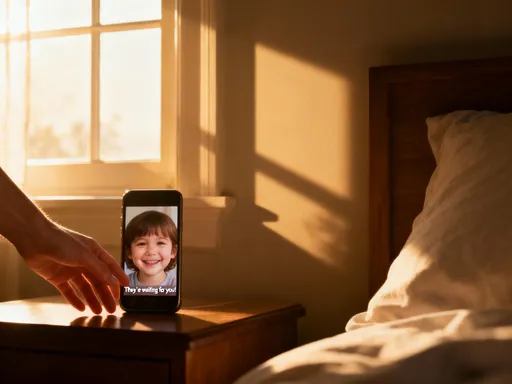
Take my friend Maya. The app learned I usually check in with her on Tuesdays—because that’s when we used to meet for yoga years ago. Now, every Tuesday morning, it gently prompts: “Call Maya—she loves Tuesdays.” I smile every time. Last week, I sent her a voice note instead of a text. Just 30 seconds: “Hey, I saw the first daffodils today and thought of your garden. Hope your week is gentle.” She called me back that evening. We ended up talking for 45 minutes—about her new job, my garden plans, her nephew’s first steps. It wasn’t planned. It wasn’t forced. It just… happened. And it meant everything.
Another time, the app suggested I share a playlist with my sister. “Music helps her unwind,” it said. I hadn’t even realized she still listened to that kind of music. But I made a quick playlist of songs from our teenage years—cheesy pop hits we used to sing in the car. She texted me a crying-laughing emoji and replied, “I played this while folding laundry and cried. Why did we stop doing this?” We scheduled a virtual listening party that weekend. We laughed, we reminisced, we felt like sisters again—not just roommates in a family group chat.
And then there was the coffee meetup. The app reminded me it had been 73 days since I’d seen my friend Lena in person. “You both love oat milk lattes,” it added. I laughed—how did it know that?—and sent her a simple message: “App says it’s latte time. Free Thursday?” She replied with three heart emojis. We met at our old spot, and it was like no time had passed. The app didn’t create the bond—we did, years ago. But it helped us protect it. It didn’t replace our friendship. It just helped us show up for it.
Beyond Reminders: Designing Care Into Daily Life
What’s really powerful about this isn’t the technology itself—it’s the idea behind it. That care can be woven into our daily routines, not treated as an extra task on an already overflowing to-do list. This app didn’t ask me to set aside hours for friendship. It asked me to pair connection with things I was already doing.
For example, I started linking check-ins with my existing habits. Every morning, while my coffee brews, I open the app and send one quick voice message to a friend. It takes less than a minute. Sometimes they reply right away. Sometimes it’s a “saw this and thought of you” photo. But even when the conversation doesn’t go deep, the gesture matters. It says, “I see you. I remember you.”
I also began using the app’s mood log feature—not just for myself, but as a way to stay tuned in to my friends. When I log that I’m feeling overwhelmed, the app gently suggests, “Reach out to someone who calms you.” And when a friend shares that they’re having a hard day (through a shared, private setting), I get a soft nudge: “A kind word might help.” It’s not about fixing anything. It’s about being present.
One of my favorite features? The “Small Acts” tracker. It celebrates things like “Sent a supportive text” or “Listened without solving.” At first, I thought it was a little silly—like getting a gold star for being a decent human. But over time, I realized how much I’d been undervaluing these tiny moments. They’re not small. They’re essential. And seeing them acknowledged—by an app, yes, but really by my own awareness—made me more intentional about them.
This is what I mean by designing care into daily life. It’s not about grand gestures or perfect timing. It’s about creating systems that help us stay connected, even when we’re tired, busy, or distracted. And the beauty is, it works because it’s not demanding. It’s inviting. It doesn’t scold you for forgetting. It just says, “Hey, remember this person? She’d love to hear from you.”
When Technology Helps Us Be More Human
I know what some of you might be thinking: “Isn’t this artificial? Can a machine really help with something as personal as friendship?” I had the same doubts. I worried it would feel robotic, forced, or even a little sad—like I needed a digital babysitter to remember my friends.
But here’s the truth: the app doesn’t create care. It protects it. Think of it like a plant. You love your fern. You want it to thrive. But if you’re busy, you might forget to water it. So you set a reminder on your phone. That reminder doesn’t make you love the plant more. But it helps you act on that love, even when life gets loud. The app is that reminder—for friendship.
And let’s be honest: we already use technology to support other parts of our lives. We set alarms to wake up. We use calendars to remember appointments. We track steps, sleep, calories. Why shouldn’t we also use tools to support our emotional well-being? Friendship isn’t a distraction from self-care. It’s part of it. And when we treat it that way, something shifts.
I’ve seen it in real ways. A friend told me my random text came the night before she was going to cancel therapy—she said it reminded her she wasn’t alone. Another friend said our weekly voice notes became her “emotional anchor” during a tough divorce. I didn’t fix their problems. I just showed up. And the app helped me remember to.
This isn’t about replacing real feelings with digital prompts. It’s about using technology to honor the feelings we already have. The love, the care, the history—we’ve got that. The app just helps us express it, consistently, even when we’re tired or distracted. It’s not artificial intelligence. It’s assistive care. And in a world that often pulls us away from what matters, that kind of help isn’t cold—it’s kind.
Making It Your Own: Simple Ways to Start
If this resonates with you, I want you to know—you don’t need a perfect system or a lot of time. You just need one small step. Here’s how I’d suggest starting, if you’re ready:
First, pick one person. Just one. Someone you care about but haven’t connected with lately. It could be an old friend, a cousin, a work buddy you lost touch with. Don’t overthink it. Just choose someone whose face makes you smile when you see their photo.
Next, think about how you’d like to reach out. Do they love voice messages? Texts? A surprise delivery of their favorite tea? The app lets you customize reminders with these details, so it feels personal. You can even add little notes like “She checks her phone after yoga” or “He loves dad jokes on Fridays.”
Then, pair it with a habit you already have. Morning coffee. Walking the dog. Folding laundry. Waiting for the microwave. Use that tiny window to send a quick “Thinking of you” or share a photo of the sky, your breakfast, your cat. No pressure to have a long conversation. Just show up.
And if you don’t want to use an app, that’s okay too. You can set a simple calendar reminder. Or write a name on a sticky note and put it on your mirror. The tool doesn’t matter as much as the intention. What matters is that you’re choosing connection, even in a small way.
I’d even suggest trying a two-week experiment. Pick one friend. Send one small message a week. Notice how it feels—on your end and, if they respond, on theirs. You might be surprised by how much a tiny gesture can shift the energy between you. It’s not about fixing years of silence in one go. It’s about starting. And often, that’s the hardest part.
Friendships That Last, One Small Step at a Time
Looking back, I realize I was waiting for the “right time” to reconnect—with Sarah, with Maya, with all of them. I thought I needed a big moment, a long phone call, a perfect plan. But life doesn’t always give us big moments. What it gives us are small ones. A text. A voice note. A shared song. A coffee date made on a whim.
Those small moments, repeated over time, are what build trust. They’re what keep love alive. They’re what turn “I should call her” into “I just did—and it felt good.” The app didn’t save my friendships. I did. But it gave me the nudge I needed to start, and the support to keep going.
What I’ve learned is that friendship isn’t something we either have or lose. It’s something we practice. It’s a choice we make, again and again, even when life is loud. And sometimes, we need a little help remembering to choose it.
In a world that glorifies busyness, choosing connection is a quiet act of courage. It says, “You matter. This matters.” And when we do it consistently—through tiny, intentional acts—we don’t just stay in touch. We deepen. We heal. We remember who we are, together.
So if you’re reading this and thinking of someone you’ve lost touch with, I’ll leave you with this: don’t wait for the perfect moment. There may never be one. But there is a next text. A next call. A next “I was thinking of you.” And that’s enough to begin. Because friendship isn’t about grand reunions. It’s about showing up, again and again, in the smallest, truest ways. And sometimes, all it takes is a little reminder to help us do just that.