What if your favorite videos could plan your whole week?
Ever feel like there’s not enough time to enjoy what you love online—while still getting things done? What if the same platforms you use to relax could actually help you stay organized, inspired, and calm? It’s not magic. With a few smart tweaks to how you use online video, you can turn mindless scrolling into meaningful momentum—without adding more to your plate. Think about it: you already spend time watching videos. What if that time didn’t just pass, but actually helped you feel more in control of your week, your home, and even your mood? The truth is, online video isn’t just entertainment. It can be one of your most powerful everyday tools—if you know how to use it right.
The Hidden Power of Online Video Platforms
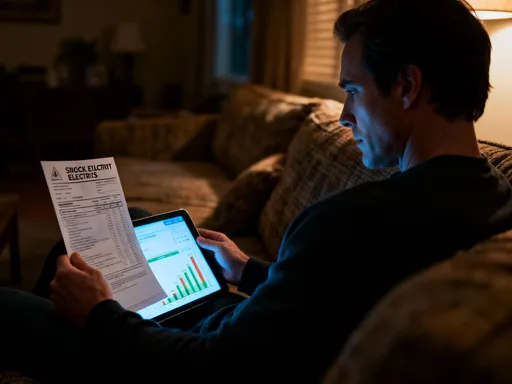
We all know the feeling: it’s 9 PM, the kids are finally asleep, and you collapse onto the couch with your phone, ready to unwind. Maybe you search for a quick recipe, a calming yoga flow, or just a funny clip to laugh at after a long day. But then, one video leads to another, and suddenly an hour has passed. Sound familiar? Here’s the thing—this doesn’t have to be a guilty habit. What if that same screen time could actually support your life instead of stealing from it?
Most of us use video platforms like YouTube, TikTok, or Instagram purely for entertainment. We let algorithms decide what we see, often ending up in a loop of random content that leaves us feeling a little drained. But these platforms are so much more than digital distractions. They’re packed with tools and features that, when used intentionally, can help you manage your time, learn new skills, and even strengthen your relationships. The shift starts with a simple mindset change: stop thinking of video as something you consume and start seeing it as something you use.
Imagine your favorite video app not as a time sink, but as a personal assistant who knows your schedule, your goals, and even your mood. That’s not science fiction. Features like watch-later lists, saved playlists, and notification reminders are already built in—they’re just often overlooked. When you begin to use them with purpose, you transform passive watching into active support. For example, instead of searching for a bedtime story every night, you can save a playlist your kids love. Instead of forgetting that workout you wanted to try, you can schedule it to pop up right before your usual coffee break.
This isn’t about spending more time online. It’s about spending your time well. And the best part? You don’t need to learn complicated tech skills. You just need to shift your habits a little—like organizing your closet or meal planning, but for your digital life. Once you start treating video as a tool, not just a treat, you’ll notice how much calmer, more organized, and even more joyful your days can feel.
Step 1: Curate Your Feed Like a Personal Assistant
Let’s be honest—most of us don’t choose what we watch. We scroll, we click, and the algorithm takes over. But what if you took back control? Think of your video feed as your daily support team. Would you want it filled with random voices, or with people who actually help you feel better, do more, and be your best self?
Curating your feed means being intentional about who you follow and what shows up on your screen. It’s like choosing the right coworkers for your life—some are motivators, some are teachers, and some are just there to make you smile at the right moment. Start by unfollowing or muting channels that leave you feeling overwhelmed, distracted, or worse after watching. That might be drama-filled vlogs, overly polished perfection that makes you feel inadequate, or endless product reviews that don’t match your lifestyle.
Then, start adding channels that align with your real-life goals. Want to eat healthier? Follow a down-to-earth mom who shares 20-minute family meals. Need more calm? Add a gentle yoga teacher or a meditation guide who speaks in a soothing voice. Looking for fun with your kids? Find creators who make creative crafts or silly science experiments you can do together. The key is to choose content that feels helpful, not intimidating.
Here’s a simple way to start: open your favorite video app and spend 10 minutes cleaning up your subscriptions. Ask yourself: “Does this person make my life easier?” If the answer is no, hit mute or unsubscribe. Then, search for one new channel that supports a goal you have—like organizing your pantry or learning to knit. Subscribe and watch one video that feels useful. Do this once a week, and over time, your feed will become a source of real support, not noise. You’ll notice that instead of mindlessly scrolling, you’re actually finding ideas you want to try, routines you want to follow, and moments of peace you can count on.
Step 2: Use Playlists to Replace Daily Decision-Making
How many decisions do you make in a day? From what to wear to what to cook, when to exercise, and how to wind down—small choices add up. And every time you hesitate, you use mental energy you could save for the things that really matter. That’s where playlists come in. They’re not just for music or fun clips—they can be your invisible helpers, making your day flow more smoothly.
Think about your morning routine. Do you ever stand in front of the fridge, scrolling through recipes while the kids ask for breakfast? What if, instead, you had a playlist called “Quick Breakfast Ideas” with five 2-minute videos of easy, healthy meals? You could play one while you prep, and suddenly, you’re not deciding—you’re doing. The same goes for other parts of your day. Create a “Morning Motivation” playlist with short pep talks or calming affirmations to play while you get ready. Make a “Clean & Reset” list with 10-minute home organization videos to follow when you need a reset.
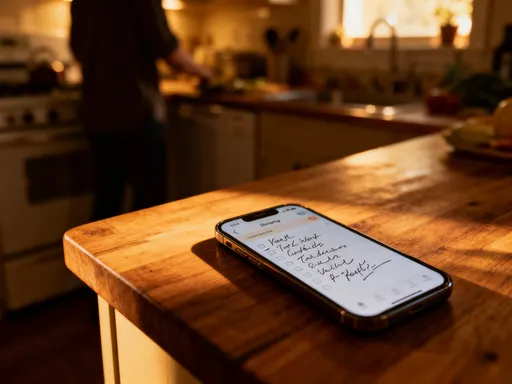
Here’s how to build your first life-support playlist: pick one recurring decision that drains you. Maybe it’s what to do for family movie night, or how to start a workout after work. Search for 3–5 videos that solve that problem—like “Fun Indoor Games for Rainy Days” or “15-Minute Post-Work Stretch.” Save them into a playlist and give it a clear name, like “Family Fun Friday” or “Evening Wind-Down.” Then, schedule it to play at the same time each week. Over time, this simple habit removes the mental load of choosing and turns action into routine.
Playlists also help you avoid the trap of endless scrolling. When you’re tired and just want to relax, it’s easy to fall into a video hole. But if you have a “Calm & Cozy” playlist with gentle nature scenes or soft storytelling, you can relax without losing an hour. The goal isn’t to eliminate fun videos—it’s to make sure your fun serves you, not exhausts you. When your playlists do the thinking for you, you free up space in your mind for creativity, connection, and peace.
Step 3: Schedule Videos to Match Your Natural Rhythms
We all have rhythms—times of day when we’re sharp, tired, energized, or drained. And yet, we often use technology at the worst possible moments. Ever tried watching a tutorial at 10 PM when you’re half-asleep? Or checked your phone first thing in the morning, only to feel instantly overwhelmed? The key to using video wisely isn’t just what you watch, but when you watch it.
Scheduling your video time to match your energy levels can make a huge difference. For example, if you’re a morning person, use that time for learning—watch a short skill-building video with your coffee. If you hit a slump at 3 PM, save a “Pick-Me-Up” playlist with funny clips or inspiring stories to boost your mood. And in the evening, switch to calming content that helps you transition to rest, not something that spikes your adrenaline.
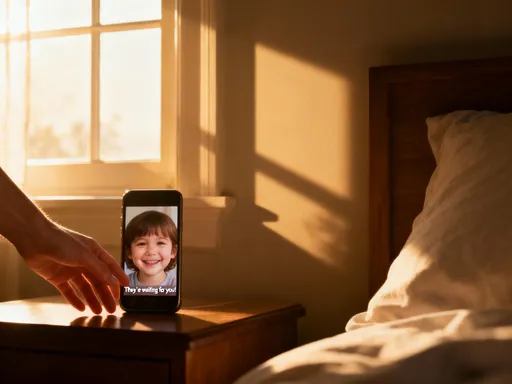
Most video platforms let you schedule reminders or save videos to watch later. Use these features like a personal planner. When you find a video you like but don’t have time for, tap “Save” or “Watch Later.” Then, set a reminder on your phone or use the platform’s built-in tools to notify you at a better time. For example, if you see a great recipe during the day, save it and set a reminder for 5:30 PM—right when you’re thinking about dinner.
You can also batch your video time. Instead of watching bits and pieces all day, pick one or two windows—like 20 minutes after lunch or during your evening tea—and dedicate that time to watching what you’ve saved. This keeps your attention focused and prevents constant distractions. It’s like meal prepping, but for your mind. When you align your viewing with your natural flow, video becomes a tool for restoration, not depletion. You’ll notice you feel more present, more in control, and less frazzled by the end of the day.
Step 4: Turn Learning Videos into Real-Life Progress
We’ve all done it: watched a great “5-Minute Declutter” video, felt inspired, and then… did nothing. The truth is, watching isn’t enough. For video to truly help, it has to lead to action. The good news? There’s a simple way to turn what you watch into real change, without pressure or perfection.
Try the “Watch-Do-Reflect” method. It’s a three-step cycle that turns passive viewing into real progress. First, Watch a short instructional video—like “How to Fold Fitted Sheets” or “Easy Pasta Sauce from Scratch.” Keep it small and doable. Next, Do it—right away, if possible. Pause the video and try the step in real life. Don’t wait for the “perfect time.” Just take one small action. Finally, Reflect: Did it work? What did you learn? Even if it didn’t go perfectly, acknowledge that you tried. That’s growth.
This method works because it closes the gap between inspiration and action. Instead of saving 20 videos and never doing any of them, you pick one, try it, and build confidence. Over time, these small wins add up. You’ll find yourself actually using the skills you’ve learned—whether it’s a new recipe, a calming breathing technique, or a clever storage hack.
Here’s a real-life example: Sarah, a mom of two, used to watch parenting tips but never apply them. Then she started using “Watch-Do-Reflect.” She watched a 4-minute video on “Calm-Down Jars for Kids,” made one with her daughter that afternoon, and later wrote in her journal: “It didn’t fix everything, but we had fun, and she used it when she was upset.” That one small step led to more experiments, more connection, and less stress.
The key is to keep it simple. Don’t aim to learn five things a week. Aim to do one. When you focus on action, not accumulation, video becomes a true tool for growth. And the best part? You don’t need hours. Just 10 minutes of watching, 5 minutes of doing, and 2 minutes of reflecting can make a real difference in your day.
Step 5: Share Smartly to Strengthen Relationships
Video isn’t just a solo activity—it can be a bridge to the people you love. But sharing isn’t just about sending random funny clips. When done with care, it can deepen connection, spark joy, and even help your family feel more in sync.
Think about it: how often do you say, “You have to see this!” and then forget to send it? Or worse, how often do you get a video that feels irrelevant or overwhelming? Smart sharing means being thoughtful about what you share, when you share it, and why. It’s not about flooding someone’s inbox—it’s about offering something meaningful in their moment of need.
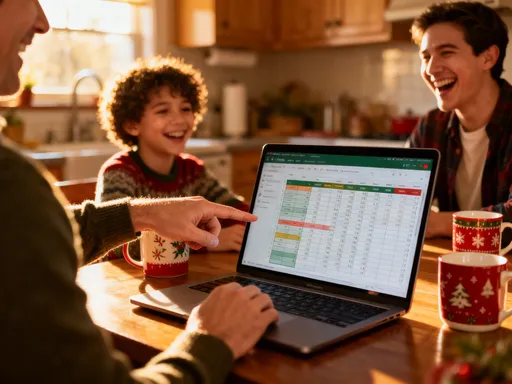
Try creating shared playlists with the people in your life. For example, make a “Family Movie Nights” list with your partner and kids, adding films you all want to see. Or build a “Happy Memories” playlist with home videos, funny moments, and milestones. You can even start a “Dream Destinations” list with travel inspiration for your next vacation. These playlists become shared spaces where everyone can contribute and look forward to something together.
You can also use video to check in. Instead of a long text, send a 30-second clip of your garden blooming or your dog doing something silly. It’s personal, warm, and takes seconds. Or, if a friend is having a tough week, send a short meditation or a calming nature video with a note: “Saw this and thought of you.” It’s a small gesture that says, “I care.”
One mom, Lisa, started a “Laugh Break” list with her sister. Every Friday, they each add one funny video. It’s become their weekly ritual—a moment of lightness in busy lives. Sharing isn’t just about entertainment; it’s about saying, “I see you, I’m with you, and here’s something that might help.” When you share with intention, video becomes a language of love.
Making It Last: Small Habits That Keep You in Control
All of this only works if it lasts. And the secret to sustainability isn’t big changes—it’s small, consistent habits. You don’t need to overhaul your entire digital life in one day. You just need to pick one thing and stick with it.
Start with a weekly 10-minute “feed cleanup.” Every Sunday, review your saved videos, playlists, and subscriptions. Delete what no longer serves you. Add one new video that supports a current goal. It’s like tidying a drawer—quick, satisfying, and effective. Over time, this tiny habit keeps your video space fresh and useful.
Next, try a monthly “video check-in.” Ask yourself: Is my viewing helping me feel calmer, more organized, more connected? Or is it adding stress? Adjust as needed. Maybe you need more calming content, or fewer tutorials and more fun. This isn’t about judgment—it’s about tuning in.
You can also set seasonal themes. In the fall, focus on cozy, grounding content—like soup recipes or home organization. In the spring, shift to energy-boosting videos—gardening tips, morning workouts, or creative projects. Let your video life follow your real life.
Remember, the goal isn’t perfection. It’s progress. Some days, you’ll scroll too long. Some videos won’t work out. That’s okay. What matters is that you’re trying, you’re aware, and you’re using technology in a way that supports your well-being. When you treat video as a tool for calm, clarity, and connection, it stops being something you escape into—and becomes something that helps you live better, one small moment at a time.