Tired of Feeling Stuck in the Same Old Routine? These Apps Help You Think Differently
Ever feel like your days blend together, with no real progress or fresh ideas? You’re not alone. That quiet frustration of wanting to grow but not knowing how — it’s real. The good news? Simple tools on your phone can spark real change. Personal growth apps aren’t about quick fixes. They’re like gentle nudges, helping you break patterns, see possibilities, and build creativity in everyday life. It’s not about becoming someone else — it’s about becoming more of who you already are, one small idea at a time.
The Quiet Struggle: When Daily Life Feels Like a Loop
Let’s be honest — how many times have you stood in the kitchen, staring into the fridge, thinking, “What’s for dinner… again?” Or sat down at night, exhausted, only to realize you can’t remember much of what actually happened during the day? It’s not that life is bad. In fact, for many of us, life is good — stable, even. But sometimes, that stability starts to feel like a treadmill: you’re moving, but you’re not going anywhere new. You go to bed, wake up, pack lunches, answer emails, pay bills, fold laundry, and repeat. The rhythm feels safe, but deep down, there’s a whisper: “Is this all there is?”
This isn’t laziness. It’s not a failure. It’s what happens when our brains fall into autopilot. Our minds love routines — they save energy. But over time, that efficiency can dull our curiosity. We stop noticing small details. We stop asking “What if?” We respond to challenges the same way we always have, even when those solutions no longer serve us. Maybe you’ve tried to journal before, only to give up after three days. Or downloaded a meditation app, used it once, and forgot about it. That’s okay. The point isn’t to judge yourself — it’s to recognize that change doesn’t happen in giant leaps. It starts with awareness. And awareness? That’s the first step toward innovation.
Think about it: when was the last time you tried something completely new — not a new restaurant or a different hair color, but a new way of thinking? Maybe it was when you figured out how to streamline your grocery shopping, or when you finally set a boundary with a family member. Those moments matter. They’re tiny sparks of creativity. The truth is, innovation isn’t reserved for geniuses or tech founders. It’s available to all of us, every single day. It’s in how we solve problems, how we connect with others, how we care for ourselves. And the good news? There are tools that can help you rediscover that spark — not by overwhelming you, but by meeting you exactly where you are.
What Innovation Really Means in Everyday Life
We often hear the word “innovation” and think of Silicon Valley, startups, or futuristic gadgets. But real innovation isn’t about coding apps or launching rockets. For most of us, innovation is much more personal — it’s finding a better way to manage your week, to calm your mind, or to encourage your child when they’re struggling. It’s the moment you realize you don’t have to do everything the way your mom did, just because that’s how it’s always been done. Innovation, in its simplest form, is curiosity in action. It’s asking, “Could this be easier? Could this feel better? Could I try it differently?”
Imagine this: you’ve been packing the same three lunches all week — peanut butter, turkey, cheese — because it’s quick and the kids eat it. But one morning, you open an app that asks, “What’s one small way you could make today feel more intentional?” That question lingers. Later, at the store, you pick up a new fruit your kids have never tried. You cut it up, add a fun note, and pack it with a smile. Is that innovation? Yes. Because you stepped out of routine. You introduced something new. You created a moment of joy. That’s the kind of innovation that changes lives — not because it’s flashy, but because it’s real.
Another example: maybe you’ve been feeling overwhelmed with your schedule. Instead of just adding more to-do lists, you try a time-blocking method you read about in a personal growth app. You assign chunks of time to specific tasks — not just work, but also rest, connection, and quiet. At first, it feels strange. But after a few days, you notice you’re less frazzled. You’re present during dinner. You even have energy to read before bed. That’s innovation too — not because it’s complicated, but because it works. It shows that change doesn’t have to be dramatic to be meaningful. Sometimes, the most powerful shifts come from the smallest adjustments.
The key is mindset. Innovation starts with openness — the willingness to try something new, even if it feels awkward at first. It’s about giving yourself permission to experiment without needing to be perfect. You don’t have to reinvent your life overnight. You just have to be willing to ask one more question, try one more approach, notice one more detail. And the beautiful thing? The more you practice this, the more natural it becomes. It’s like building a muscle — the more you use it, the stronger it gets.
How Personal Growth Apps Work Like a Daily Creativity Gym
Think of personal growth apps as your brain’s gym. Just like you wouldn’t expect to run a 5K without training, you can’t expect to think creatively all the time without practice. These apps aren’t magic — they don’t download new thoughts into your head. But they do provide structure, guidance, and gentle encouragement to stretch your mind in new ways. They’re like having a thoughtful friend who checks in every day with a kind question or a helpful nudge.
One of the most powerful features of these apps is the daily prompt. Instead of staring at a blank journal, wondering what to write, the app might ask, “What’s one thing you’re grateful for that most people wouldn’t notice?” Or, “If you could give your younger self one piece of advice, what would it be?” These questions don’t demand long answers. They just invite reflection. And over time, that reflection builds awareness. You start to notice patterns — what drains you, what energizes you, what you’ve been avoiding. That awareness is the foundation of change.
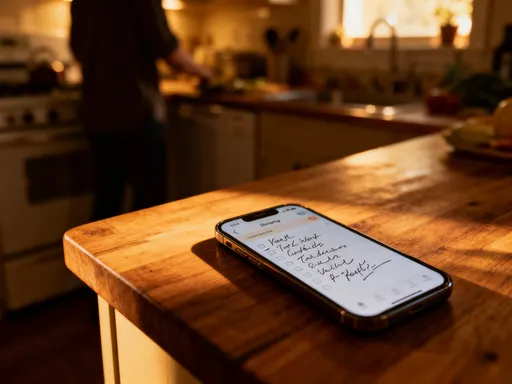
Another common feature is the idea journal. Some apps let you jot down thoughts, dreams, or random observations — no editing, no judgment. You might record a conversation you overheard, a dream you had, or a problem you’re trying to solve. Later, you can look back and see connections you didn’t notice before. It’s like collecting puzzle pieces. At first, they seem random. But over time, a picture starts to form. This kind of practice strengthens your brain’s ability to make creative connections — the same skill that helps you find solutions when life gets messy.
And let’s not forget about progress tracking. Many apps allow you to log small wins — things like “spoke up in a meeting,” “took a 10-minute walk,” or “said no to something I didn’t want to do.” These might seem minor, but tracking them helps you see growth. It’s easy to forget how far you’ve come when you’re in the middle of the daily grind. But when you look back at your entries from three months ago, you might realize, “Wow, I used to avoid hard conversations. Now I’m having them.” That’s progress. That’s transformation. And it’s all made possible by showing up, one small moment at a time.
Choosing Your First App: Simplicity Over Features
Here’s the truth: there are hundreds of personal growth apps out there. Some promise AI-powered coaching, mood analysis, or deep personality insights. And while those features sound impressive, they can also be overwhelming — especially when you’re just starting out. The most important thing isn’t how many bells and whistles an app has. It’s whether you’ll actually use it.
When I first tried these apps, I made the mistake of downloading one with every possible feature — meditation, journaling, goal setting, habit tracking, mood logs, and more. Within a week, I was so confused about where to start that I stopped using it altogether. It wasn’t the app’s fault. It was mine. I had forgotten that the goal wasn’t to do everything — it was to build one small habit. So I started over. I found an app that did just one thing: sent me a thoughtful question every morning. That’s it. No graphs, no dashboards, no complicated setup. Just a simple prompt, delivered at the same time each day.
And guess what? I used it. Every single day. Some days, I only wrote a sentence. Other days, I wrote a paragraph. But the consistency mattered more than the length. Over time, those little questions started to change how I thought. I became more aware of my emotions, more intentional with my time, more open to new ideas. And that shift didn’t come from a fancy algorithm — it came from showing up, day after day, with a simple tool that worked for me.
So if you’re new to this, my advice is this: start small. Look for an app that feels easy, not impressive. Maybe it’s one that sends a daily gratitude prompt. Or one that helps you reflect on your day in three sentences. Or one that reminds you to take a deep breath when you’re stressed. The exact feature doesn’t matter as much as the fit. Ask yourself: does this feel doable? Does it feel kind? Does it meet me where I am? If the answer is yes, that’s the one. Remember, it’s better to use one app consistently than to bounce between five that make you feel guilty for not using them.
Building the Habit: Making Innovation Practice a Natural Part of Your Day
You’ve picked your app. You’re ready to go. But now comes the real challenge: actually using it. Life gets busy. Kids get sick. Work piles up. And suddenly, that beautiful new habit feels like just one more thing on the list. This is where most people give up — not because the app doesn’t work, but because they haven’t woven it into their rhythm.
The secret? Pair it with something you already do. For example, I use my app every morning while I drink my coffee. It’s not an extra task — it’s part of my routine. The coffee is the cue; the app is the action. Over time, they became linked. Now, if I forget to open the app, I feel like something’s missing — like I skipped brushing my teeth. You can do the same. Maybe it’s during your commute, while you fold laundry, or right before bed. Find a moment that already exists, and attach your practice to it.
Another helpful trick? Set a gentle reminder. Not a loud alarm that stresses you out, but a soft notification that says, “Hey, you’ve got this.” And if you miss a day? That’s okay. Perfection isn’t the goal. Consistency is. Think of it like watering a plant. You don’t have to do it every single day to see growth. You just have to come back to it, again and again.
Sometimes, the biggest barrier isn’t time — it’s self-doubt. You might think, “What’s the point? I’m not creative. I don’t have big ideas.” But innovation isn’t about brilliance. It’s about curiosity. It’s about being willing to show up, even when you don’t feel like it. And if you’re struggling, try inviting someone to join you — a sister, a friend, a neighbor. You don’t have to share your answers. Just knowing someone else is doing it too can make a difference. It creates a quiet sense of accountability — not pressure, but connection.
Seeing the Shift: When Small Changes Spark Big Thinking
Here’s what no one tells you: the changes don’t happen overnight. You won’t wake up one day suddenly full of genius ideas. But slowly, quietly, something shifts. Maybe it’s that you start asking better questions — not just in the app, but in real life. You might find yourself pausing before reacting, wondering, “What’s really going on here?” Or you might notice that you’re more patient with your kids, because you’ve been practicing self-awareness.
I remember the first time I used a creative solution from my app in real life. I’d been stuck on a problem at work — how to organize a big event with limited time. For days, I kept trying the same approach: detailed lists, strict schedules. But nothing felt right. Then one morning, the app asked, “What would you do if you weren’t afraid of failing?” That question unlocked something. I realized I’d been so focused on doing it “right” that I hadn’t allowed myself to experiment. So I tried a completely different method — one that felt messy at first, but ended up working better than anything I’d done before. It wasn’t because the app gave me the answer. It was because it helped me think differently.
That’s the real power of these tools. They don’t give you answers — they help you find your own. Over time, you start to trust yourself more. You feel more capable. You realize you don’t have to have it all figured out — you just have to be willing to try. And that confidence spills over into other areas of life. You might start saying no to things that drain you. You might take up a hobby you’ve been curious about. You might even reframe challenges as opportunities — not because life gets easier, but because you feel stronger.
And the most beautiful part? These shifts aren’t just for you. They ripple out. When you’re more present, your family feels it. When you’re more creative, your work benefits. When you’re more at peace, your home becomes a calmer place. Innovation isn’t selfish — it’s generous. It’s how we become better mothers, partners, friends, and humans.
Growing Beyond the App: Carrying Innovation Into Life
Eventually, you might find that you don’t need the app as much anymore. That doesn’t mean you’ve “finished” — growth doesn’t have an endpoint. It just means the mindset has taken root. You’ve internalized the practice. You no longer need a daily prompt to reflect, because reflection has become second nature. You don’t need a reminder to be curious, because curiosity has become your default.
This is the ultimate goal — not dependency, but freedom. The app was a tool, a guide, a companion. But now, you’re the innovator. You see life as a place for gentle reinvention. You ask questions without needing an app to prompt you. You try new things without needing permission. You trust your own voice.
And when you look back, you might realize that the app didn’t change you — it helped you remember who you already were. Someone capable. Someone thoughtful. Someone full of quiet strength. The tools fade, but the transformation remains. You carry it in the way you speak, the choices you make, the way you show up in the world.
So if you’re feeling stuck, if your days feel too much the same, know this: change is possible. It doesn’t require a dramatic overhaul. It starts with a single question, a small habit, a moment of curiosity. Innovation isn’t a destination. It’s a way of living — one small idea, one brave choice, one gentle nudge at a time. And it’s available to you, right now, in the quiet moments between the chaos. All you have to do is begin.