We’re running late! – How a simple location app brought our family dinners back to life
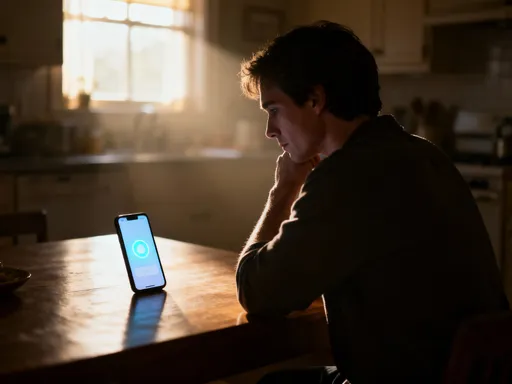
We’ve all been there—standing in the kitchen, stirring a pot that’s already gone from simmer to scald, checking the clock for the tenth time, heart sinking as another minute ticks by. The kids are hungry, the table’s set, and yet… no one’s home. “Where is Mom?” “Did Dad even leave the office?” “Is your sister ever going to answer her phone?” Texts go unanswered, calls go to voicemail, and what should be a warm, joyful reunion starts to feel like a coordination disaster. I used to think this was just part of modern family life—inevitable, even. But then something small changed everything. A single suggestion, almost tossed out in frustration: “Why don’t we just share our locations?” It sounded so simple, almost silly. But that tiny shift didn’t just fix our dinner plans. It brought us back to each other.
We’re Running Late! – The Chaos Before the Fix
Friday nights used to be the highlight of our week—meant to be, anyway. In theory, it was family dinner night. In reality? More like a high-stress scavenger hunt. My sister would be stuck in traffic but wouldn’t answer her phone. My teenage nephew would say he was on his way, only to show up an hour later with a shrug and a, “My bus was late.” My mom, who doesn’t drive anymore, would be waiting at the wrong pickup spot because no one had clarified which entrance to use. And me? I’d be in the kitchen, trying to keep the food warm, feeling more like a stressed-out event planner than a happy host.
The worst part wasn’t the cold lasagna or the overcooked broccoli. It was the emotional weight of it all. That slow, quiet disappointment when another family moment slips away—not because we didn’t care, but because we couldn’t quite connect. I started dreading Fridays. The joy of seeing everyone together was being drowned out by the chaos of getting everyone together. We all wanted to be present, but life kept getting in the way—work deadlines, school events, traffic, forgetfulness. It wasn’t anyone’s fault. But it was still a loss.
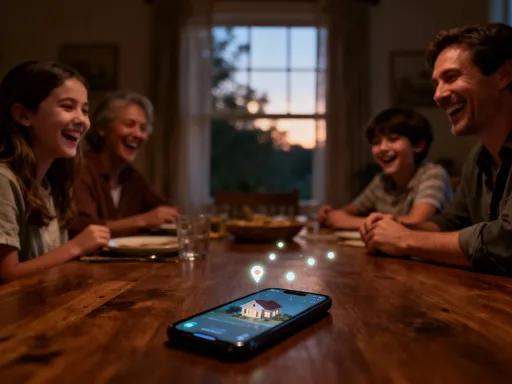
Then one evening, during yet another round of “Where are you?” texts, my brother-in-law said something that changed everything. “You know what would help? If we could just see where each other is. Like, on a map.” We all laughed at first. “That sounds a little creepy,” someone said. But he insisted: “Not all the time. Just tonight. Just to get through dinner.” So, reluctantly, we tried it. We opened our phones, shared our locations for the next hour, and something amazing happened: we stopped worrying. We stopped calling. We stopped guessing. And for the first time in months, everyone showed up—on time, calm, and ready to eat. That night, the food was warm, the laughter came easily, and the relief in the room was almost tangible. It wasn’t magic. It was just clarity.
Not Just for Teens: Why Adults Need Location Sharing Too
Let’s be honest—when most of us hear “location sharing,” we think of parents tracking their teenagers. Or maybe dating apps showing nearby matches. There’s a bit of a stigma, like it’s either for surveillance or something a little too personal. But what if I told you that this same technology can be one of the most thoughtful, caring tools in an adult family’s toolkit?
I’ll admit, I was skeptical at first too. The idea of sharing my location felt a little too much like being watched. But when we started using it just for dinner nights, I realized it wasn’t about control. It was about care. When my sister sees that I’ve left the office and is already on the highway, she texts, “Great! I’ll start warming the rolls.” When my nephew knows his grandma is safely on her way with my brother driving, he stops asking, “Is she okay?” That tiny dot on the screen isn’t a spy—it’s a reassurance.
Think about holiday gatherings. You’re setting up the table, and suddenly you realize no one knows where the family is parking. Or your dad is visiting for the first time since his surgery, and you want to meet him at the right terminal. Location sharing isn’t about watching someone’s every move. It’s about removing the guesswork when it matters. It’s saying, “I care about your time. I care about your safety. I want this to go smoothly for you.” And the beauty is, it works both ways. When my cousin shared her location during a snowstorm last winter, it wasn’t because she wanted to be tracked. It was because she wanted us to know she’d made it safely. That small gesture carried so much love.
This isn’t about losing privacy. It’s about choosing to share a little piece of your day to make someone else’s easier. And honestly? The more we used it, the more natural it felt—not like a tech chore, but like a quiet act of love.
Choosing the Right App: Simplicity Over Features
When we first decided to try location sharing, I assumed we’d need some fancy new app—something with bells, whistles, and probably a monthly subscription. I downloaded a few, scrolled through settings that felt like rocket science, and almost gave up. Too many notifications. Too many permissions. Too much everything.
Then my daughter, who’s always calmer about tech than I am, said, “Mom, have you tried the one that’s already on your phone?” Turns out, both Apple’s Find My and Google Maps have built-in location sharing—no downloads, no setup fees, no learning curve. We tested a few options, and what we discovered surprised us: the best app wasn’t the flashiest. It was the one that stayed out of the way.
Apple’s Find My, for example, lets you share your location with specific people for a set amount of time—like one hour, or until the end of the day. No constant pings. No pressure. Google Maps sharing is just as simple: tap, select who you want to share with, choose how long, and done. We even tried Life360, which some families love for its driving reports and crash detection, but it felt a little too intense for us. Too many alerts. Too much data. For our needs, simplicity was key.
What we cared about most was privacy and peace of mind. We didn’t want anyone checking our location at 2 a.m. We didn’t want battery-draining background tracking. We just wanted a way to say, “I’m on my way,” without sending a text. And these built-in tools did exactly that. The fact that they’re free, secure, and already on our phones made the decision even easier. Sometimes, the best tech isn’t something new. It’s something we’ve had all along—we just never thought to use it this way.
Making It a Family Habit – Without the Awkwardness
Even with the right app, the real challenge was getting everyone on board. How do you suggest location sharing without sounding like you don’t trust them? Or worse—like you’re trying to monitor their every move? I’ll be honest: I was nervous when I brought it up at our next family dinner.
I started small. “You know how we always spend the first 20 minutes asking where everyone is?” I said. “What if, just for dinner nights, we tried sharing our location for an hour? Just to make things easier.” I kept it light. No pressure. No rules. Just a suggestion.
My brother’s response? “So now we’re being tracked like a pizza delivery?” We all laughed, but I could tell he was uneasy. So I added, “It’s not forever. It’s not all the time. Just when we’re trying to meet up. And you can turn it off anytime.” I showed him how easy it was to stop sharing with one tap. We agreed: only during family events, only when we all consented, and always with the option to opt out.
Within a few weeks, something shifted. My nephew started sharing his location before I even asked. “Don’t worry, Aunt Lisa,” he’d text. “I’m on the bus. You’ll see me moving.” My sister began checking the map while she prepped dessert, smiling when she saw my dot turn onto her street. It became part of the ritual—like setting the table or lighting a candle. No big announcements. No awkward check-ins. Just a quiet, shared understanding that we were all doing our part to show up.
The key, I’ve learned, is framing. This isn’t about surveillance. It’s about support. It’s about saying, “I want this to be easy for you.” And when you say it that way—with warmth, not control—people don’t resist. They relax.
More Than Just Showing Up: How Location Builds Emotional Connection
Here’s something I didn’t expect: seeing someone’s little dot move across the map actually makes my heart feel lighter. When I see my mom’s icon turn onto our street, I feel a wave of warmth—like she’s not just arriving, she’s coming home. When my nephew sees his dad’s dot appear after a long business trip, he runs to the window. These tiny digital moments are becoming emotional milestones.
It’s not just about logistics. It’s about anticipation. About care. About knowing someone is on their way to you—and feeling it before they even ring the doorbell. Last month, my daughter flew in from another state. She’d been gone for months. I kept checking the map after her plane landed, watching her dot move from the airport to the highway to the exit. When I saw her turn onto our road, I started crying. Not because I was stressed. Because I was so happy she was close.
And it works the other way too. My brother, who’s always worried about his kids, told me, “When I see my son’s dot reach the school parking lot safely, I can finally take a breath.” That little green circle isn’t just data. It’s peace of mind. It’s love in motion.
What’s beautiful is how this small tech habit has deepened our emotional presence. We’re not just showing up physically. We’re showing up with intention. We’re thinking of each other on the way, not just when we arrive. And that makes the reunion so much sweeter.
Troubleshooting the Real Issues – Privacy, Trust, and Tech Glitches
Of course, it hasn’t been perfect. There have been moments when the app didn’t update. Phones died. Wi-Fi dropped. My sister once forgot to turn on sharing and showed up to find us all staring at blank screens, wondering if she’d changed her mind.
And yes, there were concerns. “Isn’t this a little invasive?” my cousin asked the first time we suggested it. “What if someone checks my location when I’m not with family?” Valid questions. That’s why we set clear boundaries from the start. We only share during agreed-upon times. We use temporary sharing, not always-on tracking. And we respect each other’s space. If someone doesn’t want to share one night, that’s okay. No questions asked.
We also built in simple fixes. If the phone dies, we have a backup plan: a quick text or call. If someone forgets, we laugh it off. “Guess we’re old-school tonight!” And we remind each other—gently—that this tool only works because we trust each other. The tech doesn’t create trust. It reflects it.
Another issue? Battery drain. Some apps run in the background and eat up power. That’s why we stick to the built-in options—they’re designed to be efficient. And we only turn on sharing when needed, not all day. A little mindfulness goes a long way.
The truth is, no system is flawless. But the hiccups have actually helped us communicate better. We talk more about our plans. We check in. We care. And that’s worth more than perfect tech.
From Dinner to Daily Life: How This Small Change Ripples Outward
What started as a dinner-night hack has quietly woven itself into the fabric of our family life. We use it now for weekend brunches, holiday trips, even surprise get-togethers. Last summer, during a family vacation, my brother’s car broke down on the highway. He shared his location, and within minutes, my nephew was on his way with jumper cables. No confusion. No stress. Just help, fast.
Another time, a sudden downpour caught my sister and her kids on their way to the park. She saw my dot approaching and texted, “Can you grab us on your way? We’re soaked!” I turned the car around, picked them up, and we all laughed about it over hot chocolate. These moments used to be stressful. Now they’re just part of the story.
But the biggest change isn’t in the emergencies or the conveniences. It’s in the everyday. We assume less. We communicate more. We feel more connected, even when we’re apart. That tiny dot on the screen has become a symbol of our care—a quiet promise that we’re thinking of each other, moving toward each other, making space for each other.
And honestly? It’s made us more present when we’re together. Because we’re not spending the first half-hour catching up on logistics. We’re already there—mentally, emotionally. Ready to laugh, to listen, to be together.
The Map That Led Back to Each Other
Looking back, I realize how much we’d lost—not because we stopped caring, but because life got loud. The constant noise of schedules, phones, and unanswered texts had dulled the joy of simply being together. We were all trying, but we were trying in the dark.
That simple act of sharing our location didn’t just solve a problem. It reopened a door. It reminded us that technology, when used with intention, doesn’t pull us apart—it can bring us closer. It doesn’t replace human connection. It protects it.
Now, Friday nights are peaceful again. The food stays warm. The table fills up. And when I see those little dots moving toward my house, I don’t just see locations. I see love in motion. I see effort. I see family.
Sometimes, the most powerful tools aren’t the ones that dazzle us with features. They’re the quiet ones—the ones that help us show up, stay connected, and remember what matters. We’re not just sharing our location. We’re sharing our lives. And that’s the most beautiful map of all.