How I Slashed Study Tour Costs Without Sacrificing Experience
You want your child’s study tour to be enriching—but not financially draining. I’ve been there, staring at quotes that felt like small vacations, wondering if there was a smarter way. Turns out, there is. Through strategic planning, timing, and smarter spending habits, I cut costs by over half without missing out. This isn’t about cutting corners—it’s about working the system wisely. Let me show you how. What seemed like a fixed expense turned out to be highly negotiable, once I understood the structure behind the pricing. The journey began not with a passport stamp, but with a spreadsheet, a few well-timed phone calls, and a shift in mindset. This is not a story of deprivation, but of precision—of knowing where value truly lies and where money quietly leaks away. And the result? A meaningful, immersive experience for my child, and peace of mind for me.
The Hidden Price of Educational Travel
Study tour programs are often marketed as essential milestones in a child’s academic journey—transformative experiences that combine cultural exposure with curriculum-based learning. Yet behind the glossy brochures and inspirational testimonials lies a cost structure that can feel overwhelming, even exploitative. Many parents accept the quoted price as final, believing these programs operate outside the rules of regular budgeting. But the reality is far more flexible. The typical study tour package bundles multiple services—flights, accommodations, meals, entry fees, transportation, and administrative overhead—into a single figure that rarely invites scrutiny. This bundling often masks inefficiencies, premium markups, and unnecessary inclusions that drive up cost without adding educational value.
One of the most common cost drivers is the reliance on third-party travel agencies that work with schools. While these partnerships offer convenience, they often come with built-in profit margins that families ultimately pay for. A school may not directly set the price, but it selects the provider, and that decision has financial consequences. Some agencies charge schools a management fee, which gets passed on to parents in the form of higher overall costs. Additionally, premium accommodations—such as four-star hotels in city centers—are frequently included not because they enhance learning, but because they make the program appear more prestigious. Similarly, guided tours at major tourist attractions may be labeled as educational, yet offer little beyond what a student could learn from a documentary or classroom lecture.
Another hidden cost is the lack of transparency in what’s included. Some programs advertise an all-inclusive price, only to reveal later that meals, travel insurance, or visa processing are not covered. These add-ons can increase the final bill by 15 to 30 percent, catching families off guard. Even seemingly minor items—like a required uniform, name tag, or activity kit—can contribute to what economists call “payment pain,” the psychological discomfort of repeated small charges. The key to regaining control is to dissect the package. Ask for a line-item breakdown. Understand exactly what each dollar covers. Then, assess whether each component delivers real educational value or simply inflates the price. When you see the numbers clearly, you begin to realize that many costs are negotiable, replaceable, or avoidable altogether.
Why Timing Changes Everything
One of the most powerful yet overlooked tools in reducing study tour expenses is timing. Most families approach the decision reactively—responding to a school announcement or peer pressure—without considering how the timing of their commitment affects the bottom line. Prices for educational travel are not static; they fluctuate based on demand cycles, booking windows, and institutional timelines. Families who book too early may miss out on competitive pricing, while those who wait too long face limited availability and last-minute surcharges. The optimal window lies in the middle—a period when providers are actively seeking sign-ups but haven’t yet raised prices due to high demand.
Schools often announce study tours a year in advance, triggering early-bird campaigns that promise discounts for early registration. While these can offer genuine savings, they also come with risks. At that stage, itineraries may still be incomplete, accommodations unconfirmed, and pricing subject to change. Some programs list an initial price that later increases as more details are finalized. Conversely, families who delay decision-making until a few months before departure may find themselves with fewer choices and higher costs, especially if flights or group rates have sold out. The sweet spot for booking is typically six to eight months before departure, when the full itinerary is confirmed, group size is known, and providers are motivated to fill remaining spots.
Seasonality also plays a crucial role. Traveling during peak periods—such as summer holidays or spring breaks—naturally increases costs across all components: airfare, lodging, and entry fees. A flight to London in June can cost nearly double what it does in October. Similarly, hotel rates in Paris during school holidays can be 40 to 50 percent higher than during term time. By shifting travel dates to shoulder seasons—periods just before or after peak times—families can access better rates while still enjoying favorable weather and open attractions. Some schools are open to adjusting departure dates slightly to accommodate cost-saving opportunities, especially if multiple families advocate for the change. Additionally, aligning the trip with off-peak academic calendars in the destination country can reduce competition for resources and lower overall expenses. Timing, when used strategically, becomes a silent negotiator—one that doesn’t argue, but simply waits for the right moment to act.
Building a Smarter Itinerary
The itinerary is the heart of any study tour, shaping what students see, do, and learn. Yet not every scheduled activity contributes equally to educational outcomes. Some stops offer profound learning experiences—like visiting a historic battlefield, touring a working parliament, or attending a science workshop at a university lab. Others, however, are little more than tourist attractions rebranded as educational opportunities. A boat ride along a scenic river may be enjoyable, but unless it includes a lesson on local ecology or trade history, its academic value is minimal. Recognizing this distinction is essential for building a smarter, more cost-effective program.
One effective strategy is to evaluate each itinerary item using a simple framework: What is the learning objective? Is it measurable? Can it be achieved in a lower-cost setting? For example, a visit to a major national museum may offer rich content, but so might a smaller regional museum with fewer crowds and no entry fee. A guided tour of a famous cathedral may cost $25 per student, while a self-guided visit with a prepared worksheet costs nothing. By applying this filter, families and schools can identify low-impact activities and propose alternatives that preserve educational goals while reducing expenses. In one case, a group replaced a paid walking tour of a historic district with a free, teacher-led exploration that included local interviews and a scavenger hunt—engaging students more deeply while saving hundreds of dollars.
Another opportunity lies in leveraging local institutions. Universities, research centers, and cultural organizations often welcome student groups for tours or presentations, especially if approached directly. These visits are typically free or low-cost and offer authentic exposure to academic and professional environments. Similarly, community-based workshops—such as cooking classes with local families, art sessions with regional artists, or sustainability projects with environmental groups—can provide immersive, hands-on learning at a fraction of the price of commercial tours. The key is to shift from a consumer mindset—buying packaged experiences—to a collaborative one—building meaningful connections. When families and educators take an active role in shaping the itinerary, they not only save money but also create a more personalized, impactful journey.
Cutting Accommodation Without Compromise
Accommodation is often one of the largest line items in a study tour budget, second only to airfare. Yet many families assume that safe, clean lodging must come at a premium. The truth is, there are multiple high-quality, cost-effective alternatives to traditional hotels. The goal is not to sacrifice comfort or security, but to align lodging choices with the actual needs of a student group. Students do not require luxury amenities; they need rest, safety, and a space conducive to group cohesion. With that in mind, several viable options can reduce costs significantly while maintaining—or even enhancing—the overall experience.
One of the most effective alternatives is student hostels. These facilities are designed specifically for youth groups, offering shared rooms, communal spaces, and 24-hour supervision. Many are located in central areas, reducing transportation costs and increasing access to learning sites. Unlike commercial hotels, hostels often include breakfast, Wi-Fi, and basic supplies, minimizing additional expenses. Educational dormitories are another strong option, particularly when visiting university towns. Many institutions rent out their residence halls during breaks, providing a real taste of campus life at a fraction of hotel rates. These stays often come with added benefits—like access to libraries, dining halls, and recreational facilities—that enrich the student experience.
Group rentals—such as apartments or vacation homes—can also offer savings, especially for larger groups. Renting a fully equipped house with multiple bedrooms and a kitchen allows families to prepare some meals in-house, reducing food costs. It also fosters a stronger sense of community, as students and chaperones share living space. The key to success with any alternative lodging is due diligence. Families should review safety records, check for proper supervision, and ensure compliance with local regulations. Photos, references, and site visits (when possible) help verify quality. Some schools form accommodation committees to evaluate options and make recommendations. By broadening the search beyond traditional hotels, families can cut lodging costs by 30 to 50 percent without compromising on safety or comfort.
Mastering Group Discounts and Partnerships
One of the most underutilized advantages in study tour planning is the power of collective bargaining. Individual families negotiating alone have little leverage, but groups—especially large, organized ones—can command significant discounts. Schools that coordinate with multiple classes or partner with other institutions can access rates that would be unavailable to smaller parties. This principle applies across all major cost categories: transportation, entry fees, meals, and even insurance. The larger the group, the stronger the negotiating position. Yet many schools fail to maximize this potential, accepting standard rates instead of asking for better terms.
Airfare is one of the most impactful areas for group savings. Airlines often offer discounted fares for groups of ten or more, with further reductions for larger numbers. These rates are not always advertised, so schools must proactively contact carriers or travel agents to inquire. Similarly, rail and bus companies provide group tariffs for intra-country travel, especially when booked in advance. Museums, historical sites, and educational centers also offer reduced admission for student groups, sometimes as low as half the regular price. In some cases, they provide free entry for chaperones or include guided tours at no extra cost. The key is to ask—and to ask early. Providers are more willing to offer discounts when they can plan capacity and staffing in advance.
Another powerful strategy is inter-school collaboration. Two or more schools organizing similar trips can combine their groups to reach volume thresholds that unlock better pricing. This approach also enriches the experience, allowing students to interact with peers from different communities. Some districts form regional consortia to coordinate travel programs across multiple schools, pooling resources and expertise. These partnerships can also lead to long-term relationships with preferred vendors, resulting in consistent savings over time. Even families not affiliated with a school can benefit by joining existing group bookings or forming independent collectives. The message is clear: you don’t have to travel alone. By joining forces, families turn individual expense into collective advantage.
Managing Hidden and Unexpected Costs
The headline price of a study tour is rarely the full story. Beyond the base fee, families face a cascade of additional charges that can add hundreds—or even thousands—to the total cost. These include travel insurance, visa applications, meals not covered in the package, tips for guides and drivers, school fundraising contributions, and emergency funds. Individually, each may seem small, but together they create a financial burden that catches many off guard. The solution is not to avoid these costs, but to anticipate them early and build them into the budget from the start.
Travel insurance is a necessary expense, yet its cost varies widely depending on coverage level and provider. Some school packages include basic insurance, but it may not cover medical evacuation, trip cancellation, or lost belongings. Families should review policies carefully and consider supplemental coverage if needed. Visa fees depend on the destination and processing method; expedited service can double the cost. Meals are another major variable. A program that includes only breakfast may require families to budget $30 to $50 per day for lunch and dinner. In cities like Paris or Tokyo, that can add up quickly. Tips, while optional, are often expected in many countries, especially for drivers and tour guides. A common practice is to set aside $5 to $10 per day per student for gratuities.
Other overlooked expenses include academic materials, such as workbooks or project supplies, and personal spending money for souvenirs or snacks. Some schools require families to contribute to a group fund for shared costs like transportation to the airport or a farewell event. To avoid surprises, families should create a comprehensive budget that lists every possible expense, no matter how minor. A simple spreadsheet with categories—flights, lodging, meals, insurance, visas, tips, spending money, emergency buffer—can provide clarity and control. Experts recommend adding a 10 to 15 percent contingency fund to cover unforeseen costs. By mapping the full financial picture, families move from reactive spending to proactive planning, reducing stress and increasing confidence.
Long-Term Financial Planning for Educational Journeys
Study tours do not have to be sudden, disruptive expenses. When treated as planned investments in a child’s education, they become manageable and even predictable. The most financially resilient families start saving months—or even years—in advance, using disciplined strategies that distribute the cost over time. This approach not only reduces last-minute strain but also models healthy financial behavior for children. Saving for a study tour can become a shared family project, teaching lessons about goal-setting, delayed gratification, and responsible money management.
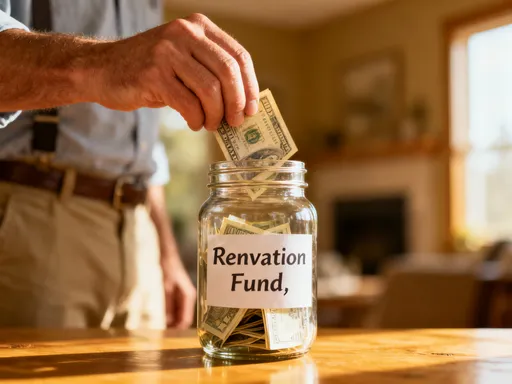
One effective method is automatic savings. Families can set up a dedicated account and schedule monthly transfers, treating the tour like a recurring bill. Even $100 per month adds up to $1,200 over a year—enough to cover a significant portion of the trip. Some parents tie savings to specific events, such as redirecting birthday gifts or tax refunds toward the fund. Others use visual tools, like a progress chart or jar, to help children understand the accumulation of funds. Educational grants and scholarships, though less common, are another avenue. Some schools, community organizations, or cultural foundations offer financial assistance for students with demonstrated need or academic merit. Applying early increases the chances of success.
Another mindset shift is to view the study tour not as a luxury, but as part of a broader educational investment. Just as families budget for tutoring, extracurriculars, or college savings, they can allocate funds for experiential learning. This reframing changes the conversation from “Can we afford this?” to “How can we make this possible?” It encourages creative problem-solving—such as organizing a school fundraiser, hosting a community event, or forming a savings group with other families. Over time, these practices build financial resilience, making future educational journeys more accessible. The real return on investment is not just in the trip itself, but in the confidence, competence, and connection it fosters.
Value Over Cost, Strategy Over Stress
Saving on a study tour isn’t about doing less—it’s about thinking smarter. With the right approach, families can preserve both their budgets and their children’s enriching experiences. The real return isn’t just in dollars saved, but in the confidence that comes from financial control. By understanding the hidden costs, mastering timing, refining the itinerary, choosing accommodations wisely, leveraging group power, and planning for the unexpected, parents can transform what feels like an unavoidable expense into a manageable, meaningful investment. These strategies are not about cutting corners; they are about cutting waste. They reflect a deeper principle: that value is not determined by price, but by intention. When families engage thoughtfully with the planning process, they do more than save money—they teach their children how to navigate the world with wisdom, purpose, and resilience. And that, perhaps, is the most valuable lesson of all.